,

Solnhofen Eryon arctiformis

950,00 

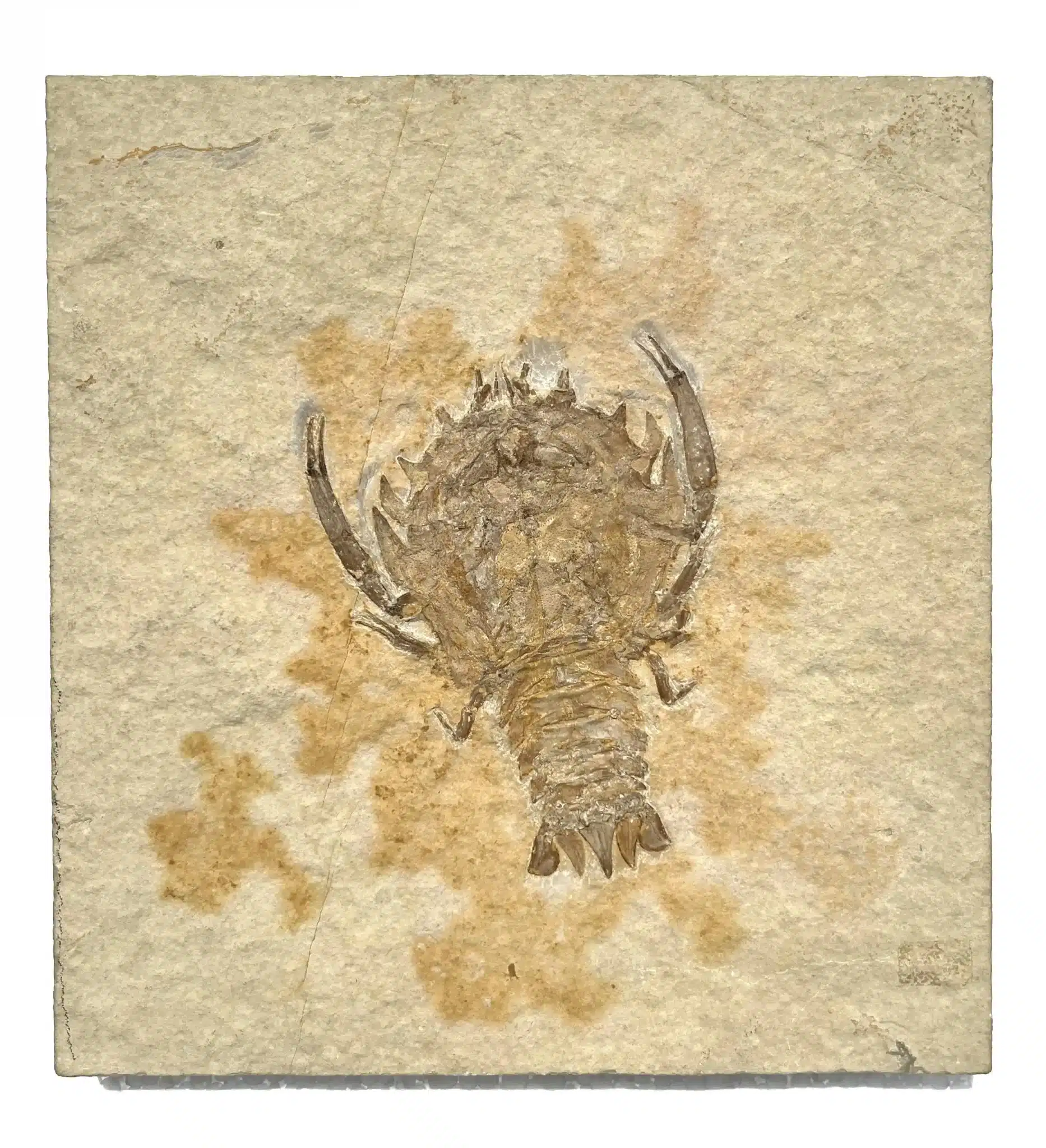
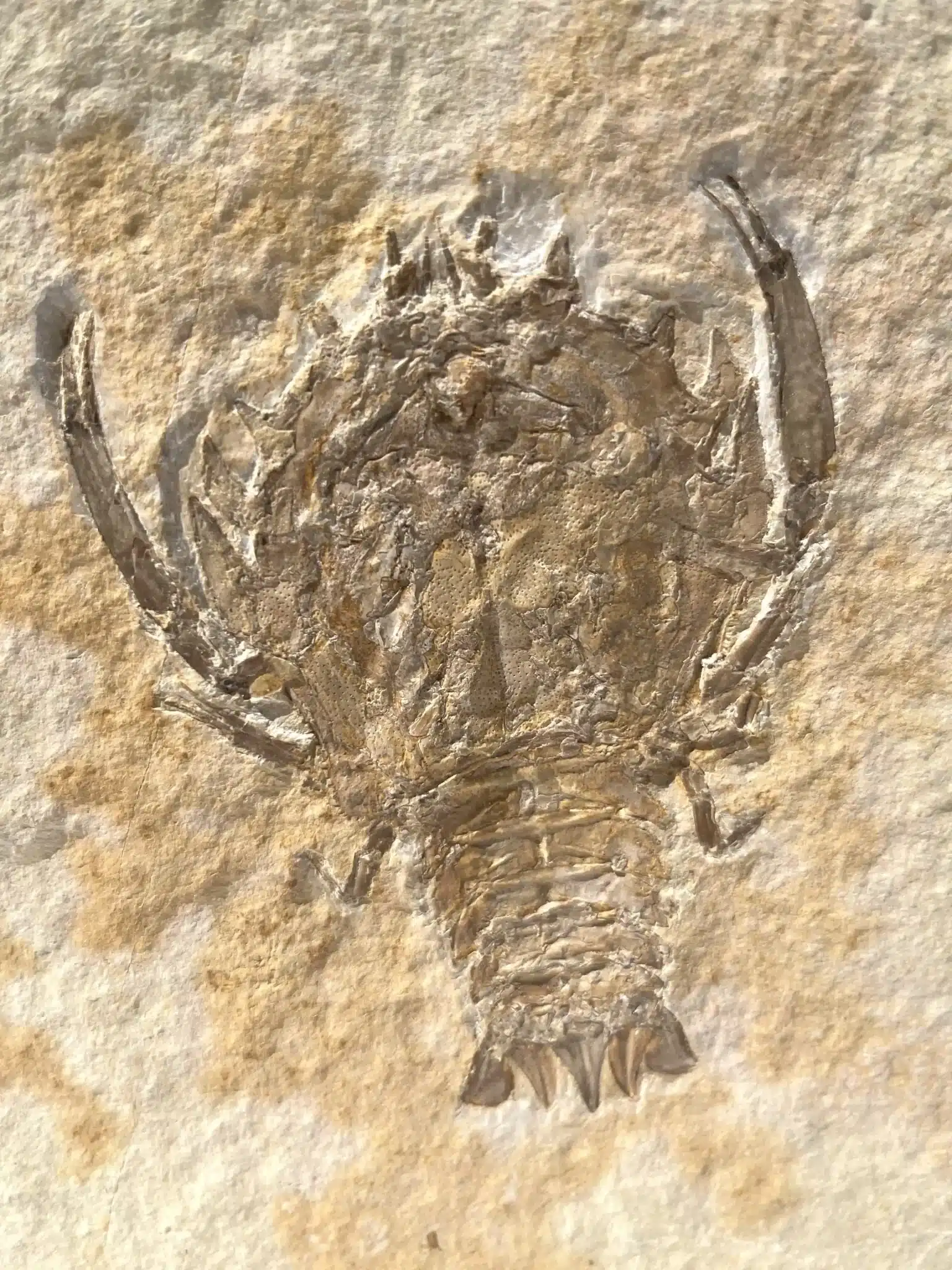
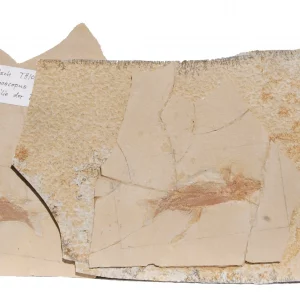
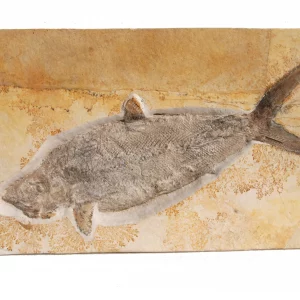
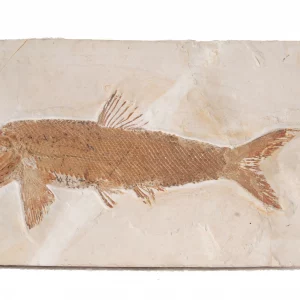
Eryon decapod from the Solnhofen limestone. Complete with excellent detail. Slab is intact, unrestored, and uncolored—a rare find!

Wishlist

Solnhofen Eryon arctiformis

Place of discovery: Langenaltheim, Langenaltheimer Haardt; Solnhofener Revier/ Germany
Lithostratigraphy: Lower Tithonian, White Jurassic Group, Altmühltal Formation, Upper Solnhofen Subformation
Biostratigraphy: Hybonotum zone, rueppelianus subzone, rueppelianus horizon
Age: approx. 150.8 – 152 million years +/- 2 million years
Plate Dimensions: 16.5 x 17.5 x 1.5 cm
Fossil size: 10 cm (longest dimension)

Exquisite “ten-legged crab”—uncolored.

Authentic fossil in its original matrix, not remounted. No restoration whatsoever; 100% original. Comes with a certificate of provenance.

Offered on behalf of a client. If you have any questions, please feel free to contact us at: info@fossiland.com


Eryon arctiformis – The crab icon from Solnhofen

Eryon arctiformis is an icon of the Solnhofen fauna (approx. 150 million years old). With its exceptionally broad, flattened body structure, it differs radically from all other crustaceans of its time. This specialized bottom-dweller represents an extinct lineage of decapod crustaceans (Decapoda) that was perfectly adapted to life in the fine calcareous mud of the lagoons.

Scientific classification and morphology

  • The geometry of survival: Eryon ‘s body is almost circular to square and flattened. This extreme morphology probably served as camouflage on the seabed and protected the animal from strong currents or the eyes of predatory fish. It is the “flounder” among the Jurassic crabs.
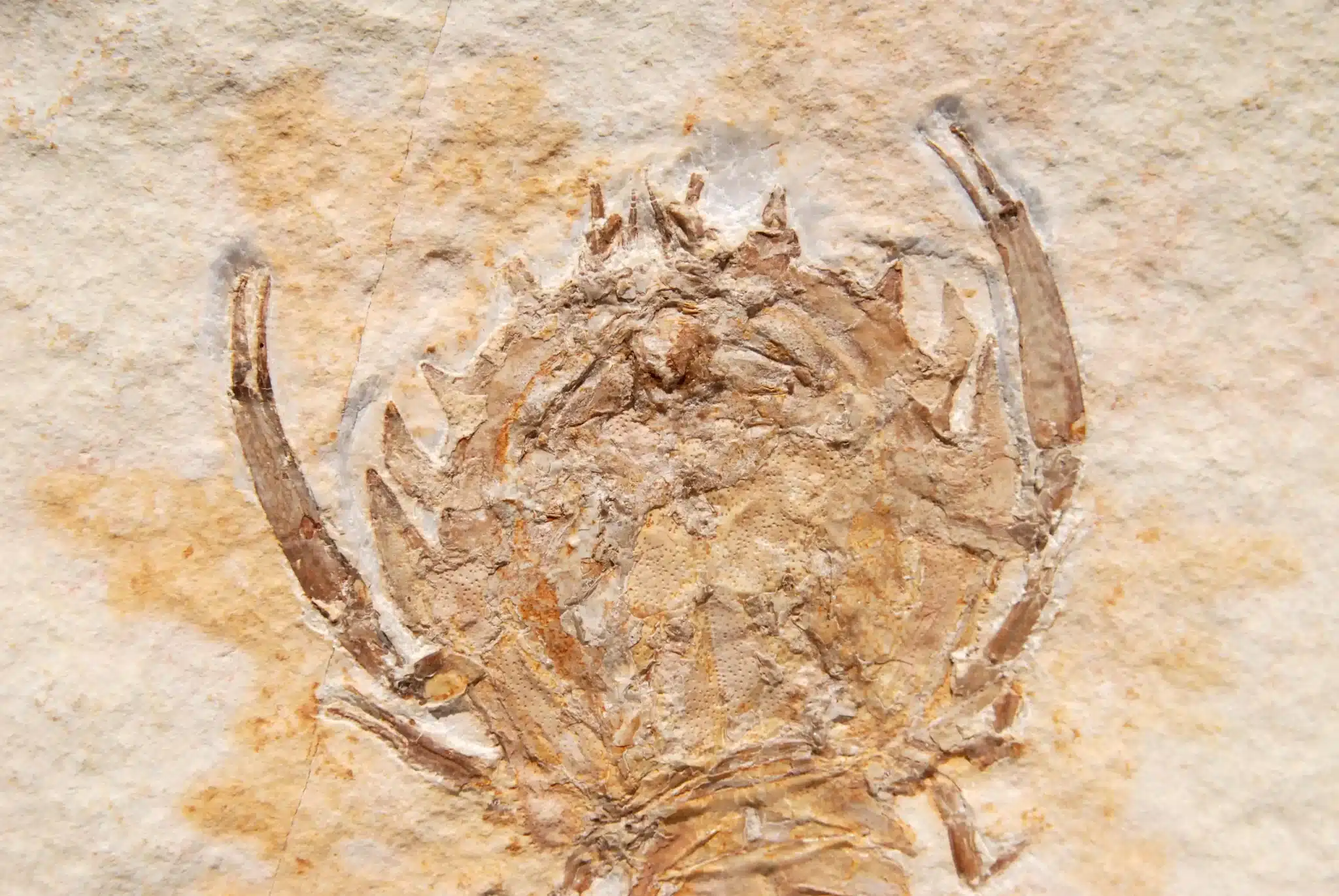
  • Claw Specialization: Despite its stocky build, this crab has very long, narrow claws (chelipeds). These contrast sharply with its massive body and give the fossil an architectural, almost spider-like appearance.
  • Extinct Perfection: The Eryonidae family is now largely extinct; its closest living relatives are the rare deep-sea crabs of the genus Willemoesia. This fossil thus offers a window into a lost biological world.

The fine details – what collectors look out for:

  • The symmetry of the claws: The most valuable feature is the complete preservation of the first two pairs of claws. As these are very long and thin, they are often angled or incomplete. A specimen in which both scissors are symmetrically stretched forward (“scissor splendor”) is considered a museum-quality specimen.
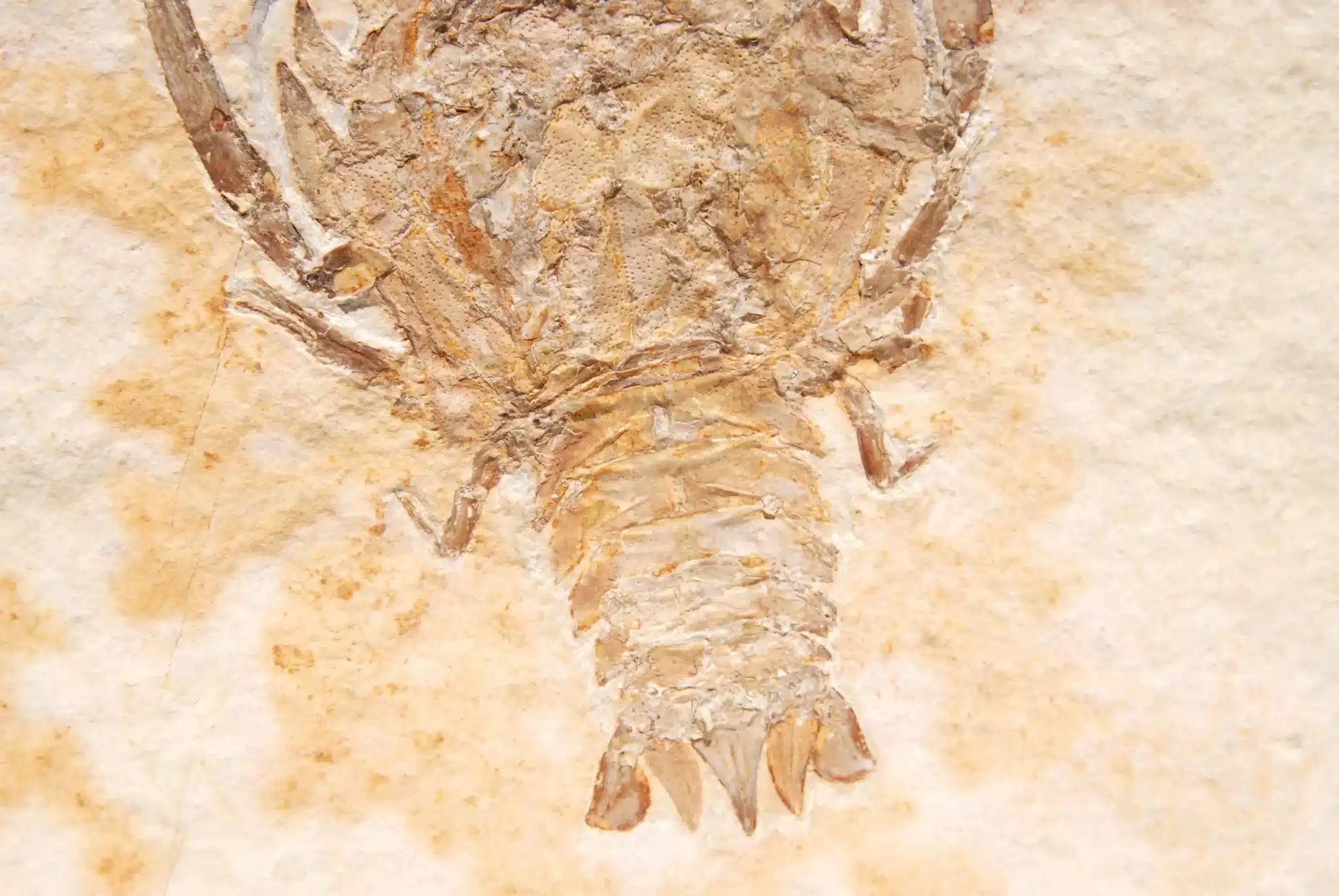
  • Segmentation of the abdomen: Although the anterior body (carapace) is dominant, the posterior body (pleon) is characteristically broad and short. Pay attention to the preservation of the lateral spines on the pleonal segments—if these are sharply defined, it indicates first-class fossilization quality.
  • The eyestalks and antennae: In excellent finds, the cut-outs for the eyes and the short, strong antennal bases are visible on the front edge of the carapace. These fine anatomical details elevate an ordinary specimen into the class of scientifically relevant collector’s items.

A highlight for every Solnhofen collection

Eryon arctiformis is an absolute favorite among collectors worldwide due to its bizarre shape. If you want to document the diversity of Solnhofen arthropods, this “armored crab” is a must.
Weight 5 kg
Dimensions 30 × 30 × 20 cm
,

Solnhofen Eryon arctiformis

950,00 

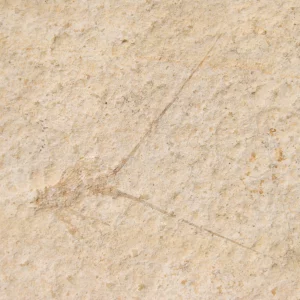
Eryon decapod from the Solnhofen limestone. Complete with excellent detail. Slab is intact, unrestored, and uncolored—a rare find!

Wishlist

Solnhofen Eryon arctiformis

Place of discovery: Langenaltheim, Langenaltheimer Haardt; Solnhofener Revier/ Germany
Lithostratigraphy: Lower Tithonian, White Jurassic Group, Altmühltal Formation, Upper Solnhofen Subformation
Biostratigraphy: Hybonotum zone, rueppelianus subzone, rueppelianus horizon
Age: approx. 150.8 – 152 million years +/- 2 million years
Plate Dimensions: 16.5 x 17.5 x 1.5 cm
Fossil size: 10 cm (longest dimension)

Exquisite “ten-legged crab”—uncolored.

Authentic fossil in its original matrix, not remounted. No restoration whatsoever; 100% original. Comes with a certificate of provenance.

Offered on behalf of a client. If you have any questions, please feel free to contact us at: info@fossiland.com


Eryon arctiformis – The crab icon from Solnhofen

Eryon arctiformis is an icon of the Solnhofen fauna (approx. 150 million years old). With its exceptionally broad, flattened body structure, it differs radically from all other crustaceans of its time. This specialized bottom-dweller represents an extinct lineage of decapod crustaceans (Decapoda) that was perfectly adapted to life in the fine calcareous mud of the lagoons.

Scientific classification and morphology

  • The geometry of survival: Eryon ‘s body is almost circular to square and flattened. This extreme morphology probably served as camouflage on the seabed and protected the animal from strong currents or the eyes of predatory fish. It is the “flounder” among the Jurassic crabs.
  • Claw Specialization: Despite its stocky build, this crab has very long, narrow claws (chelipeds). These contrast sharply with its massive body and give the fossil an architectural, almost spider-like appearance.
  • Extinct Perfection: The Eryonidae family is now largely extinct; its closest living relatives are the rare deep-sea crabs of the genus Willemoesia. This fossil thus offers a window into a lost biological world.

The fine details – what collectors look out for:

  • The symmetry of the claws: The most valuable feature is the complete preservation of the first two pairs of claws. As these are very long and thin, they are often angled or incomplete. A specimen in which both scissors are symmetrically stretched forward (“scissor splendor”) is considered a museum-quality specimen.
  • Segmentation of the abdomen: Although the anterior body (carapace) is dominant, the posterior body (pleon) is characteristically broad and short. Pay attention to the preservation of the lateral spines on the pleonal segments—if these are sharply defined, it indicates first-class fossilization quality.
  • The eyestalks and antennae: In excellent finds, the cut-outs for the eyes and the short, strong antennal bases are visible on the front edge of the carapace. These fine anatomical details elevate an ordinary specimen into the class of scientifically relevant collector’s items.

A highlight for every Solnhofen collection

Eryon arctiformis is an absolute favorite among collectors worldwide due to its bizarre shape. If you want to document the diversity of Solnhofen arthropods, this “armored crab” is a must.
Weight 5 kg
Dimensions 30 × 30 × 20 cm
,

Solnhofen Eryon arctiformis

950,00 

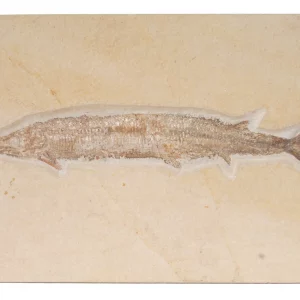
Eryon decapod from the Solnhofen limestone. Complete with excellent detail. Slab is intact, unrestored, and uncolored—a rare find!

Wishlist

Solnhofen Eryon arctiformis

Place of discovery: Langenaltheim, Langenaltheimer Haardt; Solnhofener Revier/ Germany
Lithostratigraphy: Lower Tithonian, White Jurassic Group, Altmühltal Formation, Upper Solnhofen Subformation
Biostratigraphy: Hybonotum zone, rueppelianus subzone, rueppelianus horizon
Age: approx. 150.8 – 152 million years +/- 2 million years
Plate Dimensions: 16.5 x 17.5 x 1.5 cm
Fossil size: 10 cm (longest dimension)

Exquisite “ten-legged crab”—uncolored.

Authentic fossil in its original matrix, not remounted. No restoration whatsoever; 100% original. Comes with a certificate of provenance.

Offered on behalf of a client. If you have any questions, please feel free to contact us at: info@fossiland.com


Eryon arctiformis – The crab icon from Solnhofen

Eryon arctiformis is an icon of the Solnhofen fauna (approx. 150 million years old). With its exceptionally broad, flattened body structure, it differs radically from all other crustaceans of its time. This specialized bottom-dweller represents an extinct lineage of decapod crustaceans (Decapoda) that was perfectly adapted to life in the fine calcareous mud of the lagoons.

Scientific classification and morphology

  • The geometry of survival: Eryon ‘s body is almost circular to square and flattened. This extreme morphology probably served as camouflage on the seabed and protected the animal from strong currents or the eyes of predatory fish. It is the “flounder” among the Jurassic crabs.
  • Claw Specialization: Despite its stocky build, this crab has very long, narrow claws (chelipeds). These contrast sharply with its massive body and give the fossil an architectural, almost spider-like appearance.
  • Extinct Perfection: The Eryonidae family is now largely extinct; its closest living relatives are the rare deep-sea crabs of the genus Willemoesia. This fossil thus offers a window into a lost biological world.

The fine details – what collectors look out for:

  • The symmetry of the claws: The most valuable feature is the complete preservation of the first two pairs of claws. As these are very long and thin, they are often angled or incomplete. A specimen in which both scissors are symmetrically stretched forward (“scissor splendor”) is considered a museum-quality specimen.
  • Segmentation of the abdomen: Although the anterior body (carapace) is dominant, the posterior body (pleon) is characteristically broad and short. Pay attention to the preservation of the lateral spines on the pleonal segments—if these are sharply defined, it indicates first-class fossilization quality.
  • The eyestalks and antennae: In excellent finds, the cut-outs for the eyes and the short, strong antennal bases are visible on the front edge of the carapace. These fine anatomical details elevate an ordinary specimen into the class of scientifically relevant collector’s items.

A highlight for every Solnhofen collection

Eryon arctiformis is an absolute favorite among collectors worldwide due to its bizarre shape. If you want to document the diversity of Solnhofen arthropods, this “armored crab” is a must.

Weight 5 kg
Dimensions 30 × 30 × 20 cm
,

Solnhofen Eryon arctiformis

950,00 

Eryon decapod from the Solnhofen limestone. Complete with excellent detail. Slab is intact, unrestored, and uncolored—a rare find!

Wishlist

Solnhofen Eryon arctiformis

Place of discovery: Langenaltheim, Langenaltheimer Haardt; Solnhofener Revier/ Germany
Lithostratigraphy: Lower Tithonian, White Jurassic Group, Altmühltal Formation, Upper Solnhofen Subformation
Biostratigraphy: Hybonotum zone, rueppelianus subzone, rueppelianus horizon
Age: approx. 150.8 – 152 million years +/- 2 million years
Plate Dimensions: 16.5 x 17.5 x 1.5 cm
Fossil size: 10 cm (longest dimension)

Exquisite “ten-legged crab”—uncolored.

Authentic fossil in its original matrix, not remounted. No restoration whatsoever; 100% original. Comes with a certificate of provenance.

Offered on behalf of a client. If you have any questions, please feel free to contact us at: info@fossiland.com


Eryon arctiformis – The crab icon from Solnhofen

Eryon arctiformis is an icon of the Solnhofen fauna (approx. 150 million years old). With its exceptionally broad, flattened body structure, it differs radically from all other crustaceans of its time. This specialized bottom-dweller represents an extinct lineage of decapod crustaceans (Decapoda) that was perfectly adapted to life in the fine calcareous mud of the lagoons.

Scientific classification and morphology

  • The geometry of survival: Eryon ‘s body is almost circular to square and flattened. This extreme morphology probably served as camouflage on the seabed and protected the animal from strong currents or the eyes of predatory fish. It is the “flounder” among the Jurassic crabs.
  • Claw Specialization: Despite its stocky build, this crab has very long, narrow claws (chelipeds). These contrast sharply with its massive body and give the fossil an architectural, almost spider-like appearance.
  • Extinct Perfection: The Eryonidae family is now largely extinct; its closest living relatives are the rare deep-sea crabs of the genus Willemoesia. This fossil thus offers a window into a lost biological world.

The fine details – what collectors look out for:

  • The symmetry of the claws: The most valuable feature is the complete preservation of the first two pairs of claws. As these are very long and thin, they are often angled or incomplete. A specimen in which both scissors are symmetrically stretched forward (“scissor splendor”) is considered a museum-quality specimen.
  • Segmentation of the abdomen: Although the anterior body (carapace) is dominant, the posterior body (pleon) is characteristically broad and short. Pay attention to the preservation of the lateral spines on the pleonal segments—if these are sharply defined, it indicates first-class fossilization quality.
  • The eyestalks and antennae: In excellent finds, the cut-outs for the eyes and the short, strong antennal bases are visible on the front edge of the carapace. These fine anatomical details elevate an ordinary specimen into the class of scientifically relevant collector’s items.

A highlight for every Solnhofen collection

Eryon arctiformis is an absolute favorite among collectors worldwide due to its bizarre shape. If you want to document the diversity of Solnhofen arthropods, this “armored crab” is a must.
Weight 5 kg
Dimensions 30 × 30 × 20 cm
,

Solnhofen Eryon arctiformis

950,00 

Eryon decapod from the Solnhofen limestone. Complete with excellent detail. Slab is intact, unrestored, and uncolored—a rare find!

Wishlist

Solnhofen Eryon arctiformis

Place of discovery: Langenaltheim, Langenaltheimer Haardt; Solnhofener Revier/ Germany
Lithostratigraphy: Lower Tithonian, White Jurassic Group, Altmühltal Formation, Upper Solnhofen Subformation
Biostratigraphy: Hybonotum zone, rueppelianus subzone, rueppelianus horizon
Age: approx. 150.8 – 152 million years +/- 2 million years
Plate Dimensions: 16.5 x 17.5 x 1.5 cm
Fossil size: 10 cm (longest dimension)

Exquisite “ten-legged crab”—uncolored.

Authentic fossil in its original matrix, not remounted. No restoration whatsoever; 100% original. Comes with a certificate of provenance.

Offered on behalf of a client. If you have any questions, please feel free to contact us at: info@fossiland.com


Eryon arctiformis – The crab icon from Solnhofen

Eryon arctiformis is an icon of the Solnhofen fauna (approx. 150 million years old). With its exceptionally broad, flattened body structure, it differs radically from all other crustaceans of its time. This specialized bottom-dweller represents an extinct lineage of decapod crustaceans (Decapoda) that was perfectly adapted to life in the fine calcareous mud of the lagoons.

Scientific classification and morphology

  • The geometry of survival: Eryon ‘s body is almost circular to square and flattened. This extreme morphology probably served as camouflage on the seabed and protected the animal from strong currents or the eyes of predatory fish. It is the “flounder” among the Jurassic crabs.
  • Claw Specialization: Despite its stocky build, this crab has very long, narrow claws (chelipeds). These contrast sharply with its massive body and give the fossil an architectural, almost spider-like appearance.
  • Extinct Perfection: The Eryonidae family is now largely extinct; its closest living relatives are the rare deep-sea crabs of the genus Willemoesia. This fossil thus offers a window into a lost biological world.

The fine details – what collectors look out for:

  • The symmetry of the claws: The most valuable feature is the complete preservation of the first two pairs of claws. As these are very long and thin, they are often angled or incomplete. A specimen in which both scissors are symmetrically stretched forward (“scissor splendor”) is considered a museum-quality specimen.
  • Segmentation of the abdomen: Although the anterior body (carapace) is dominant, the posterior body (pleon) is characteristically broad and short. Pay attention to the preservation of the lateral spines on the pleonal segments—if these are sharply defined, it indicates first-class fossilization quality.
  • The eyestalks and antennae: In excellent finds, the cut-outs for the eyes and the short, strong antennal bases are visible on the front edge of the carapace. These fine anatomical details elevate an ordinary specimen into the class of scientifically relevant collector’s items.

A highlight for every Solnhofen collection

Eryon arctiformis is an absolute favorite among collectors worldwide due to its bizarre shape. If you want to document the diversity of Solnhofen arthropods, this “armored crab” is a must.
Weight 5 kg
Dimensions 30 × 30 × 20 cm

Withdraw from contract

Scroll to Top