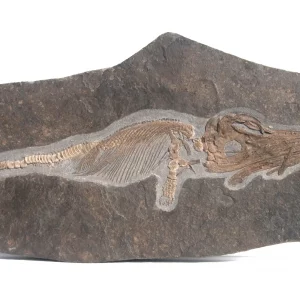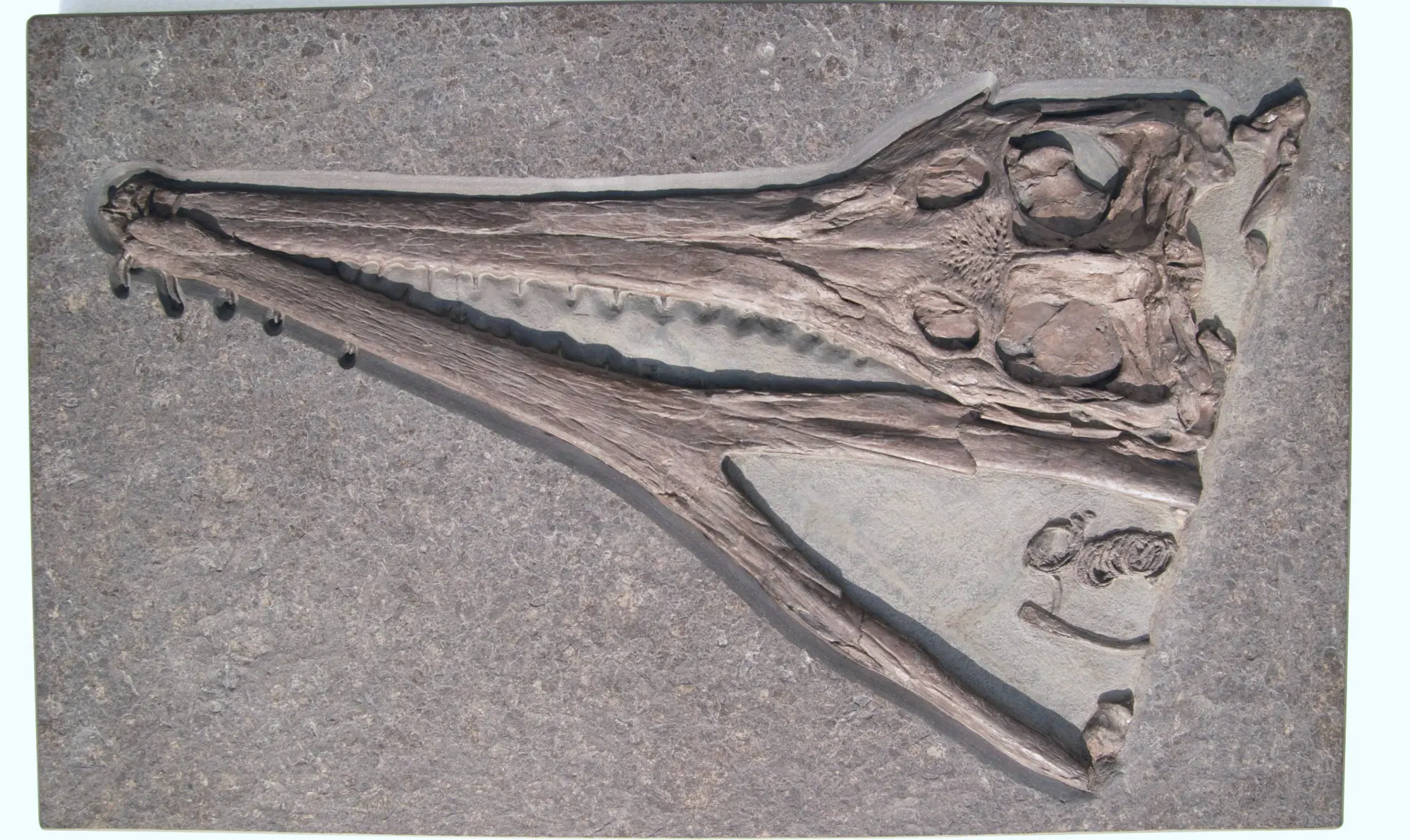
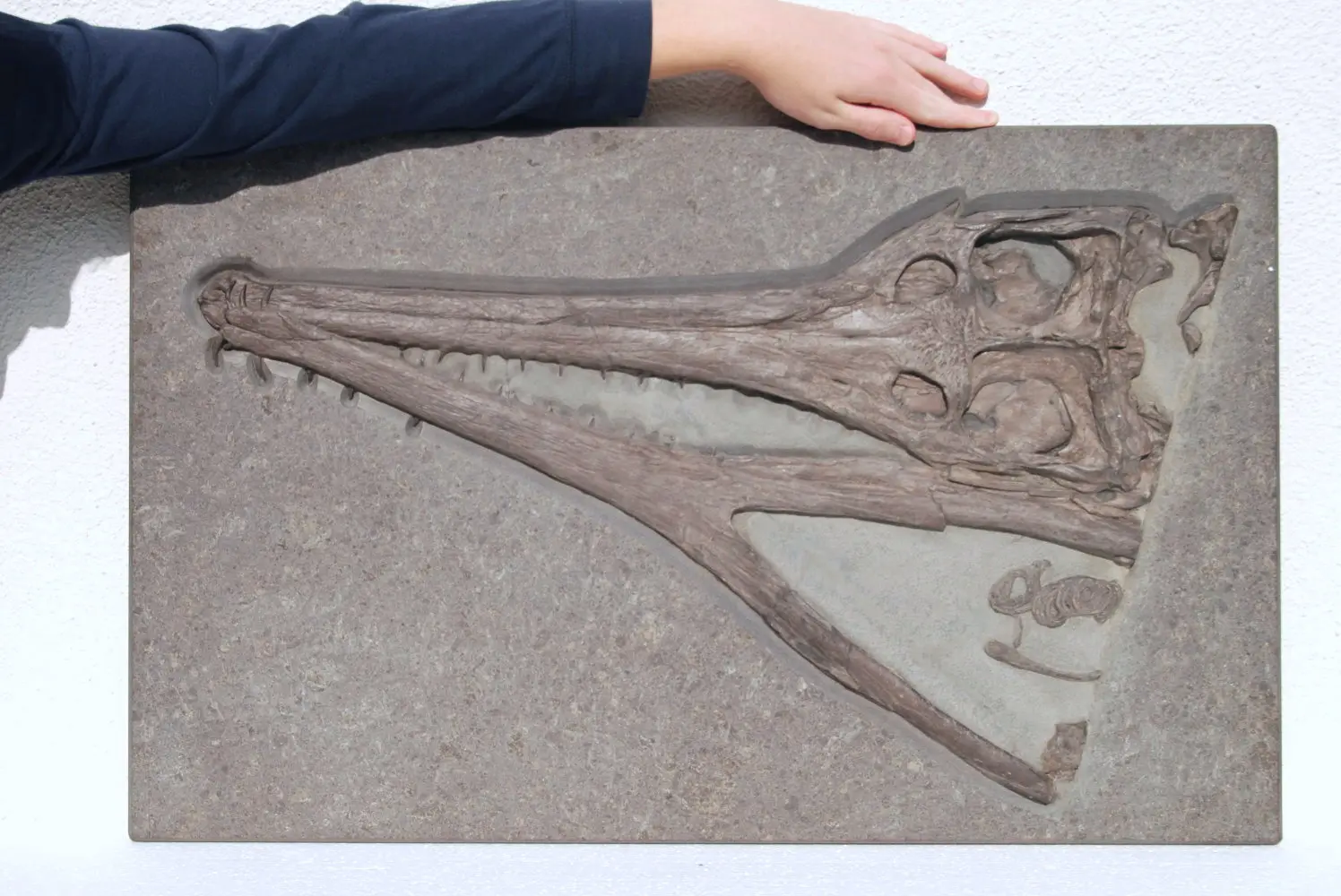
Steneosaurus bollensis
80x50x3.5 cm
Holzmaden; Lias Epsilon II/6
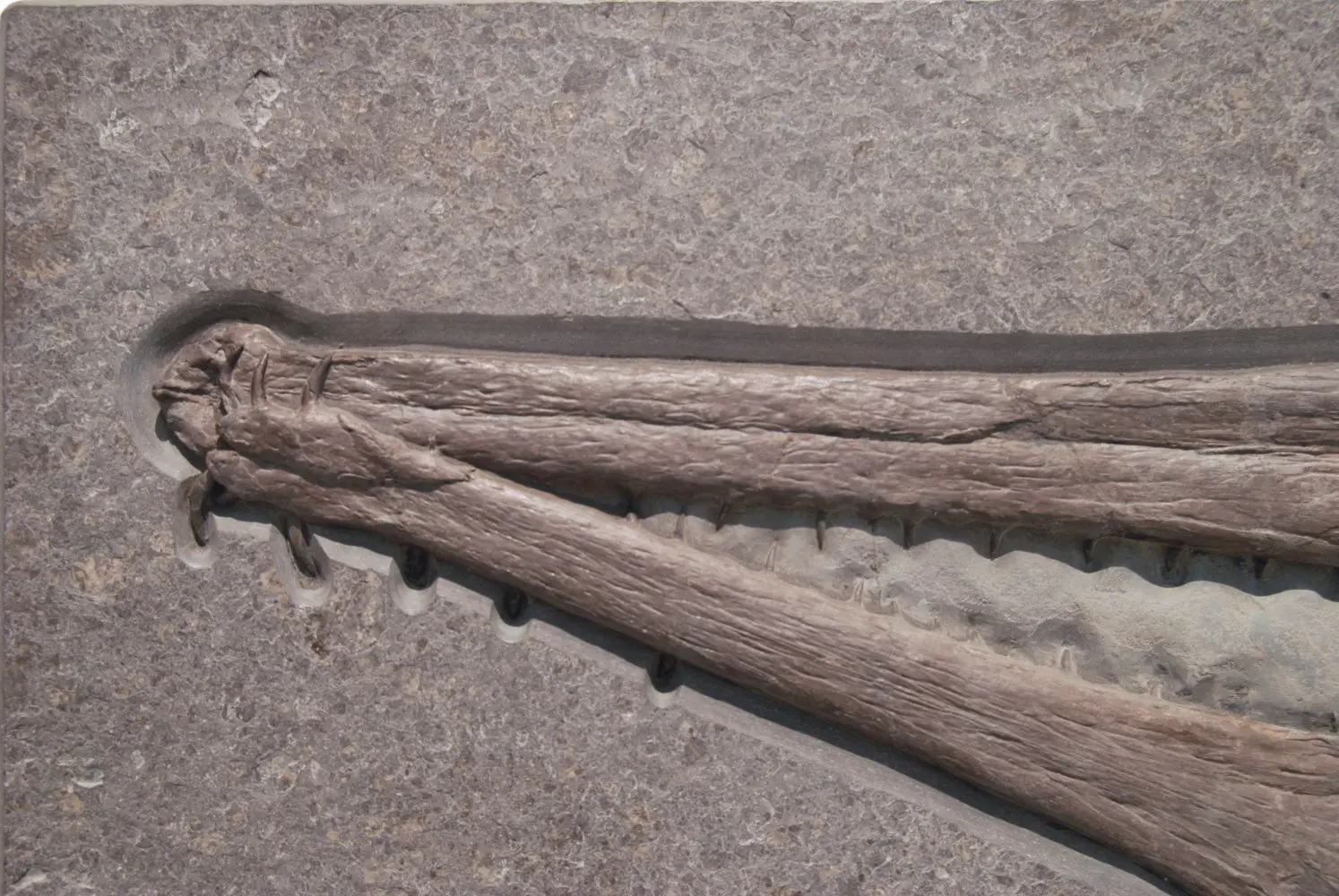
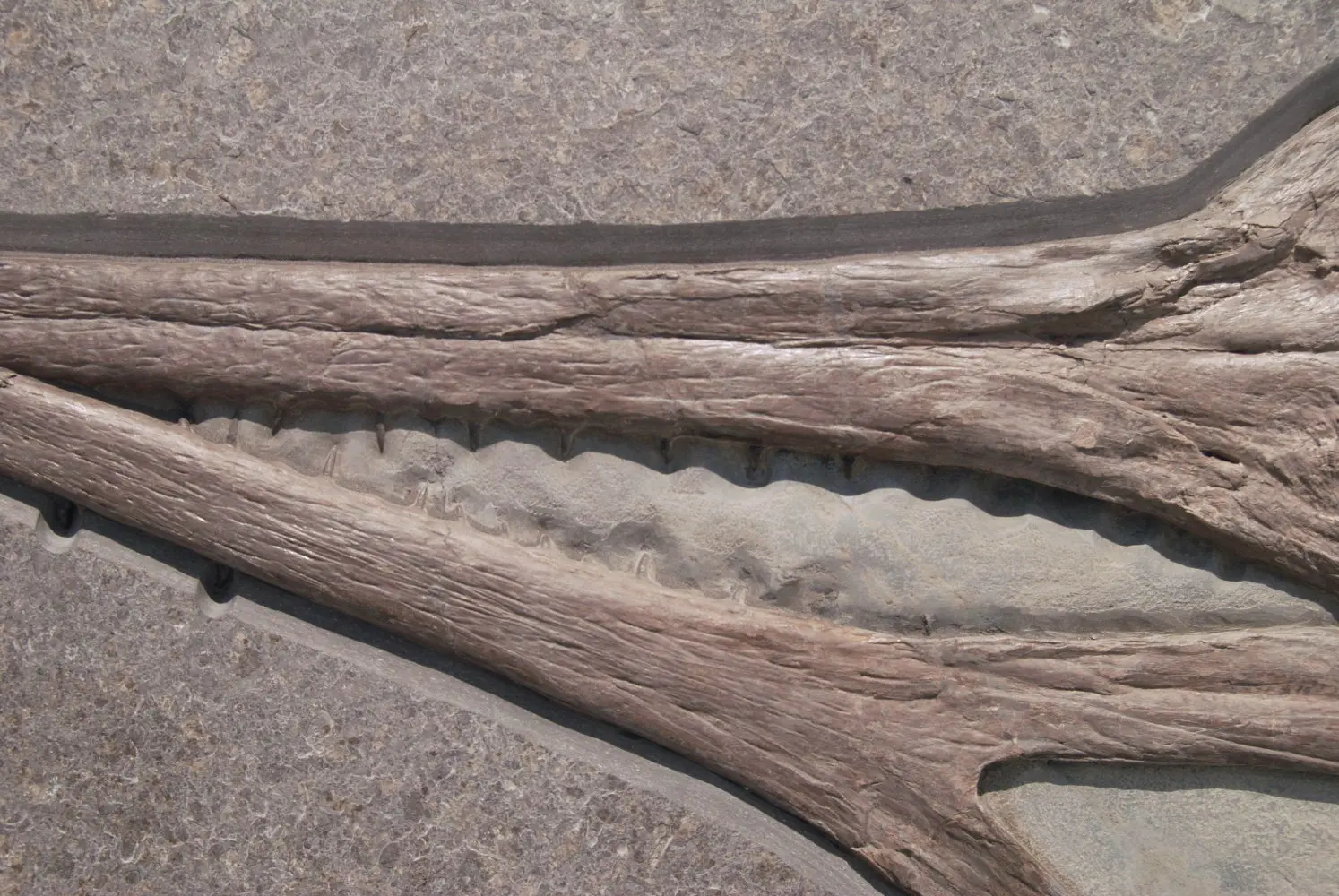
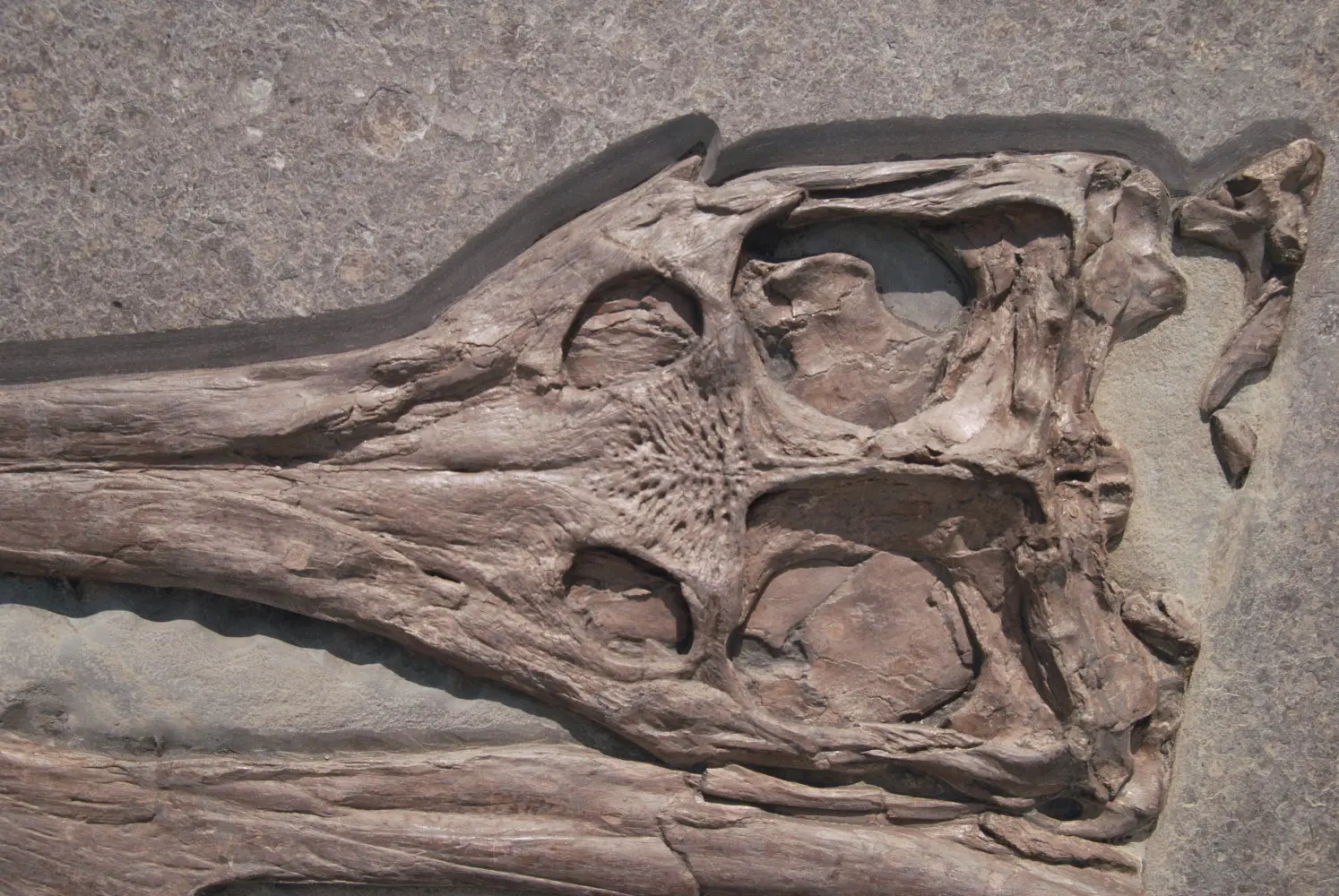
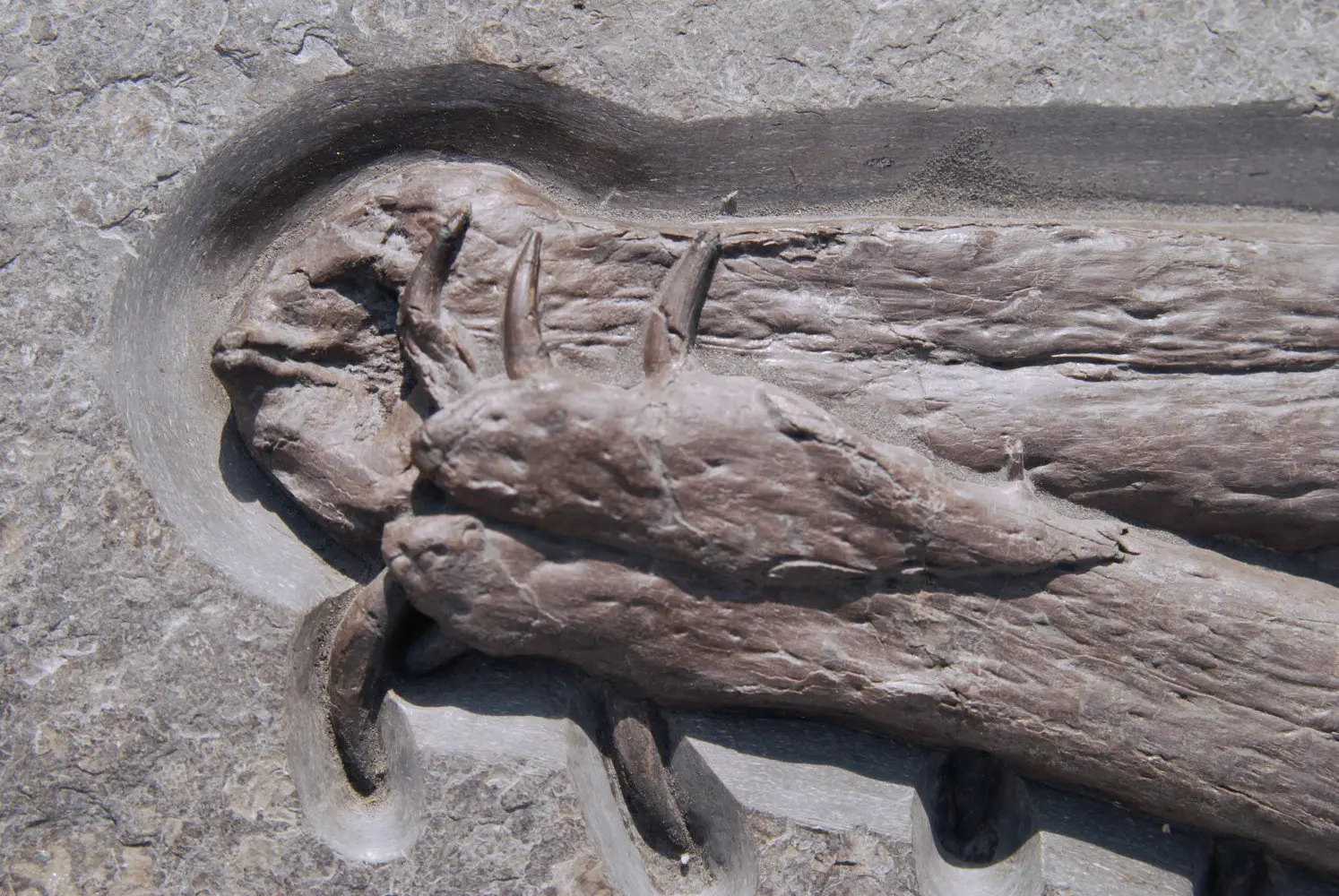
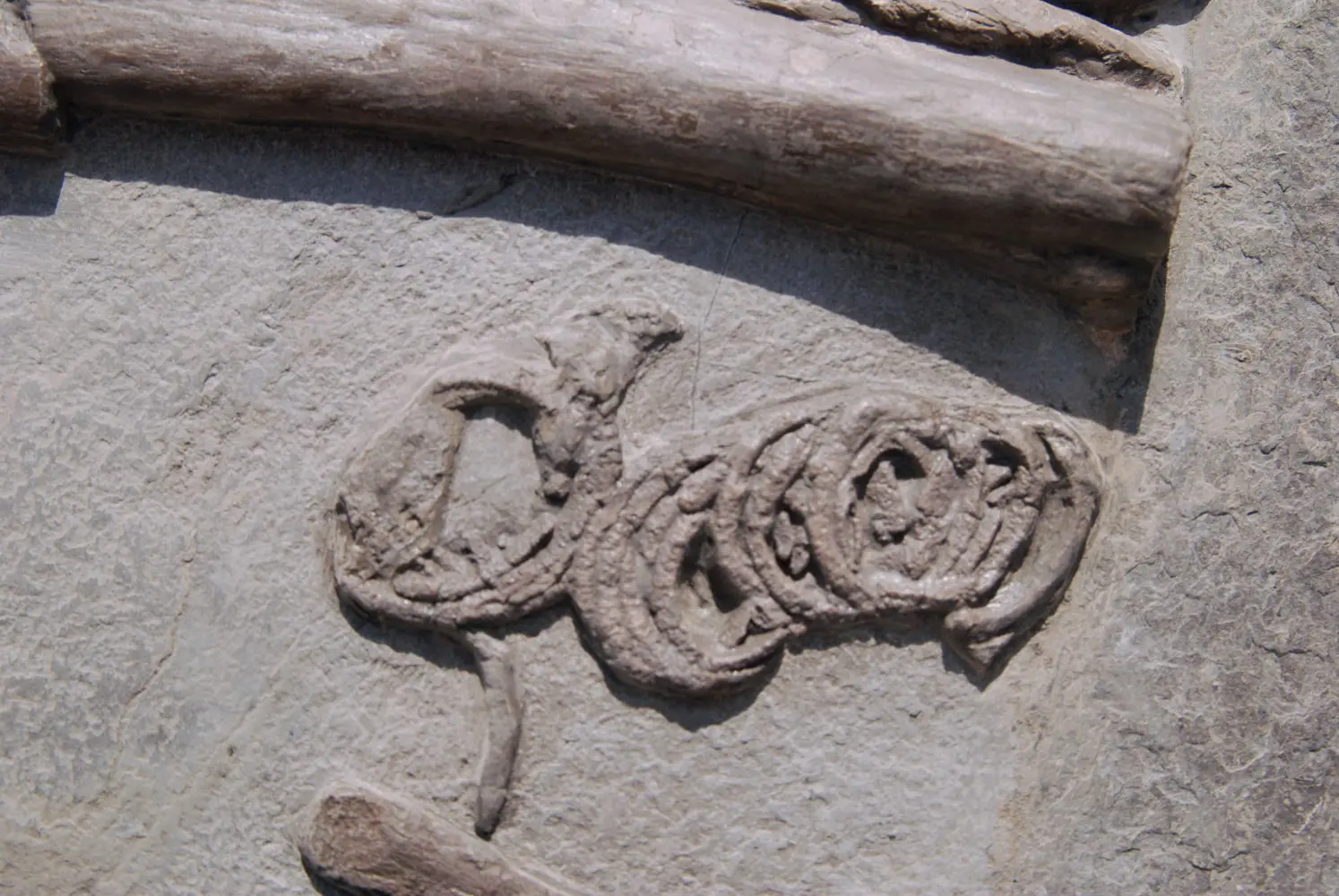
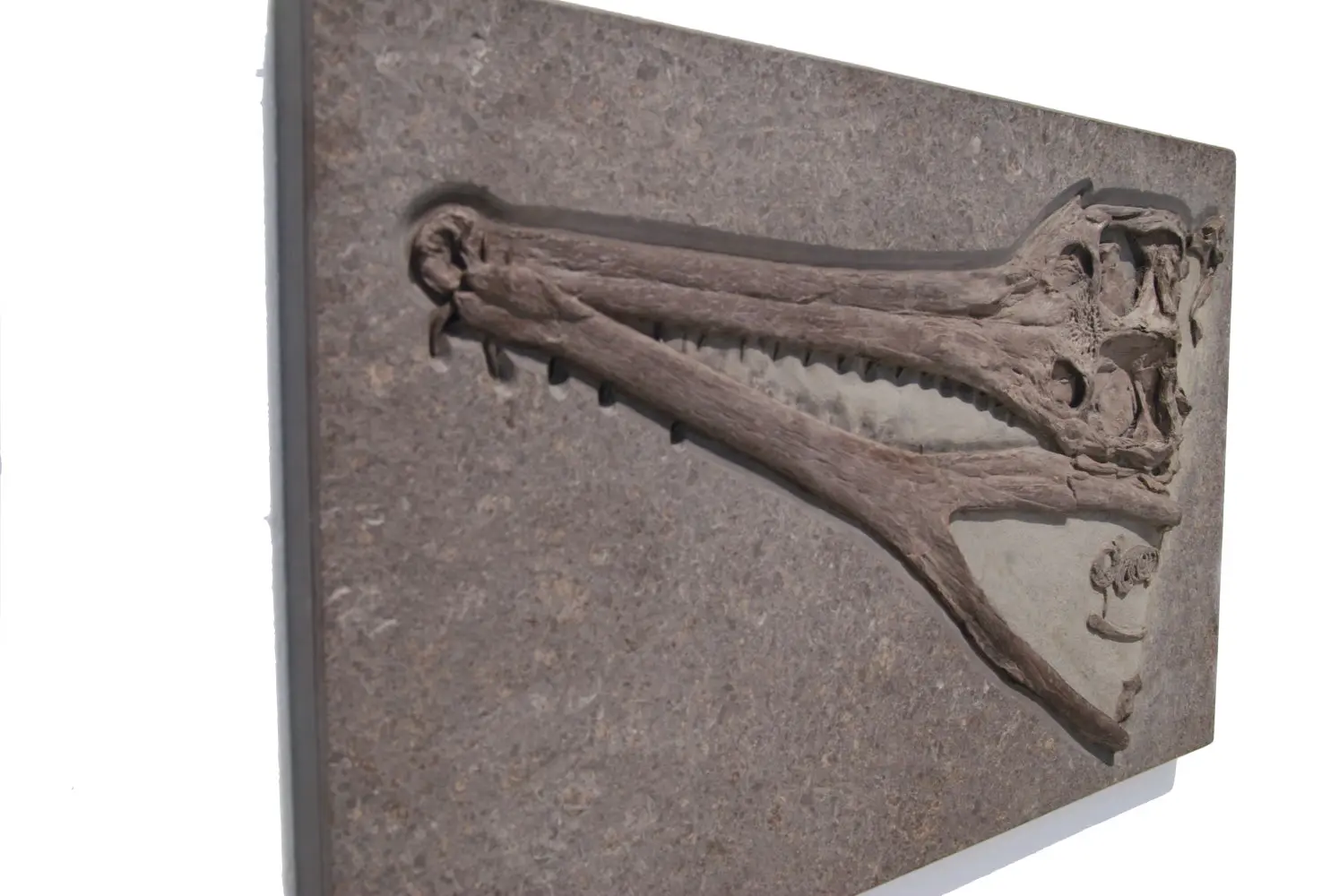
Spectacular Crocodile skull at perfect condition, restoration close to zero percent – quite unusual. All teeth natural, no additions. Bones in oustanding preservation quality, windpipe rings lying beside. The fossil was found in this context (in situ, no composite) and transferred to a massive Fleins slab including wall-hanging mold.
Offering on behalf of a local collector at a reasonable price, significantly less than offered by international retailers or at big fossil shows, definitely a good investment.
Steneousaurus findings are much rarer than Ichthyosaur, approximately 1/20.
This is an outstanding, all natural, no composite fossil in stunning museum quality.
100% satisfaction guaranteed, 14-day return policy, worldwide shipping.
Pay
The crocodile hunter of the Jurassic seas: Steneosaurus bollensis from Holzmaden
Alongside the famous fish dinosaurs(ichthyosaurs) and bony fish(Saurostomus), Steneosaurus was one of the top predators that roamed the Lias Sea around 180 million years ago. The finds from the black Posidonia shale of Holzmaden are coveted collector’s and museum pieces worldwide due to their spectacular, three-dimensional preservation and anatomical precision.
Biology and lifestyle
Steneosaurus bollensis belongs to the extinct group of thalattosuchians, a highly specialized group of marine crocodiles. Despite its lizard-like name, it was a true crocodilian relative, as evidenced by its teeth, which indicate a primarily piscivorous (pescatarian) diet. With an elongated, streamlined body and a long, muscular tail, it was perfectly adapted to life in open water.
Its lifestyle is often compared to that of modern saltwater crocodiles, with fossil evidence suggesting that it could easily swim between islands and possibly also walk on land. Its powerful jaws and numerous teeth were ideal for catching large fish and probably also ammonites.
The special feature of the Holzmaden finds
A Steneosaurus fossil from the shale quarries around Holzmaden impresses with its exceptional preservation in the fine-grained sediment. The anoxic (extremely low-oxygen) conditions on the seabed prevented decomposition by scavengers and made it possible to preserve not only the massive skeletal bones, but often also intricate details and even stomach contents.
Remarkable are finds of Steneosaurus bollensis with regenerated tail ends, which prove that these prehistoric hunters were able to survive and heal injuries. The embedding in the dark rock makes the bony structures stand out vividly and gives the piece a timeless, almost graphic aesthetic.
Holzmaden Conservation Site: A window into prehistoric times
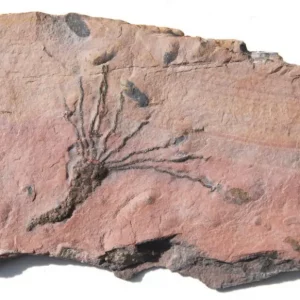
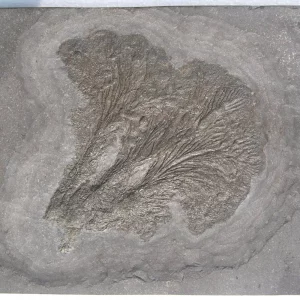
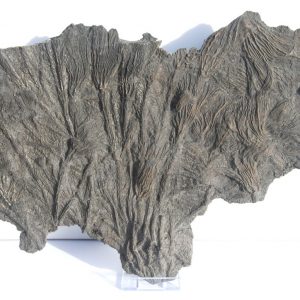
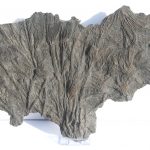
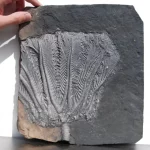
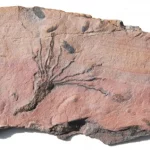
Like the famous crinoids and fish dinosaur finds, this marine hunter owes its preservation to the most important fossil deposit in the world. A specimen of Steneosaurus bollensis is therefore far more than just a fossil – it is an impressive document of prehistoric hunting dynamics and an exquisite exhibit for any sophisticated paleontological collection.