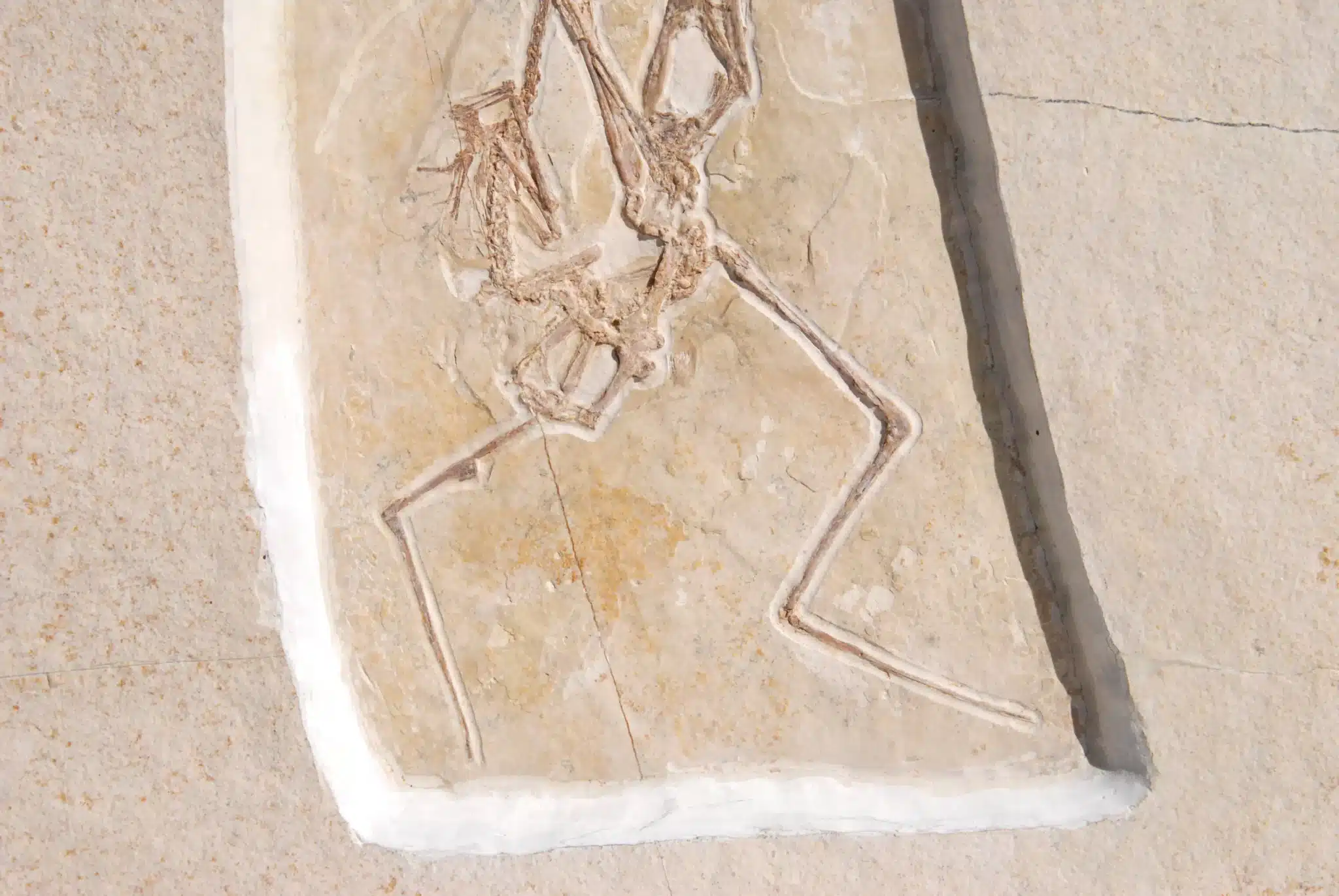
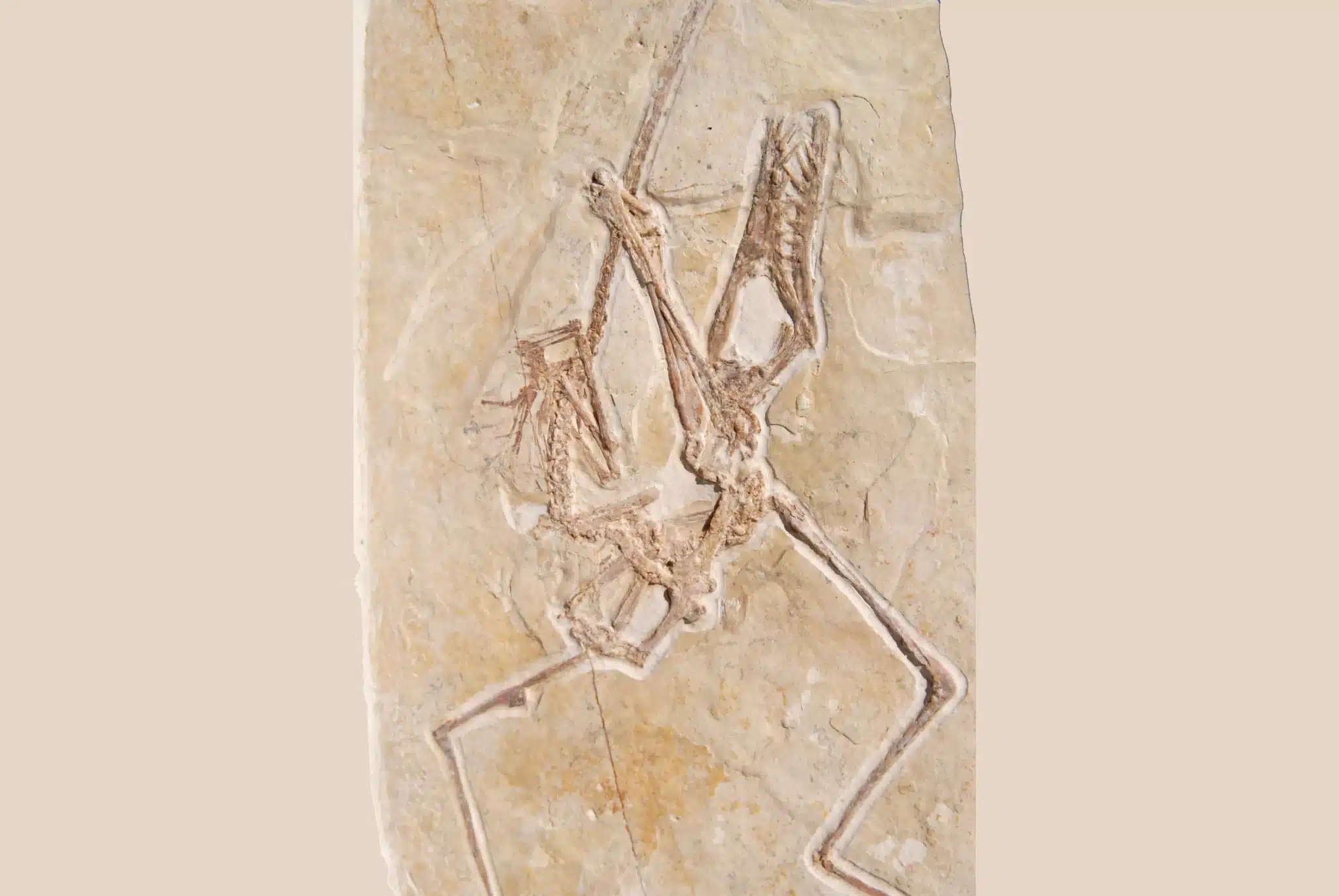
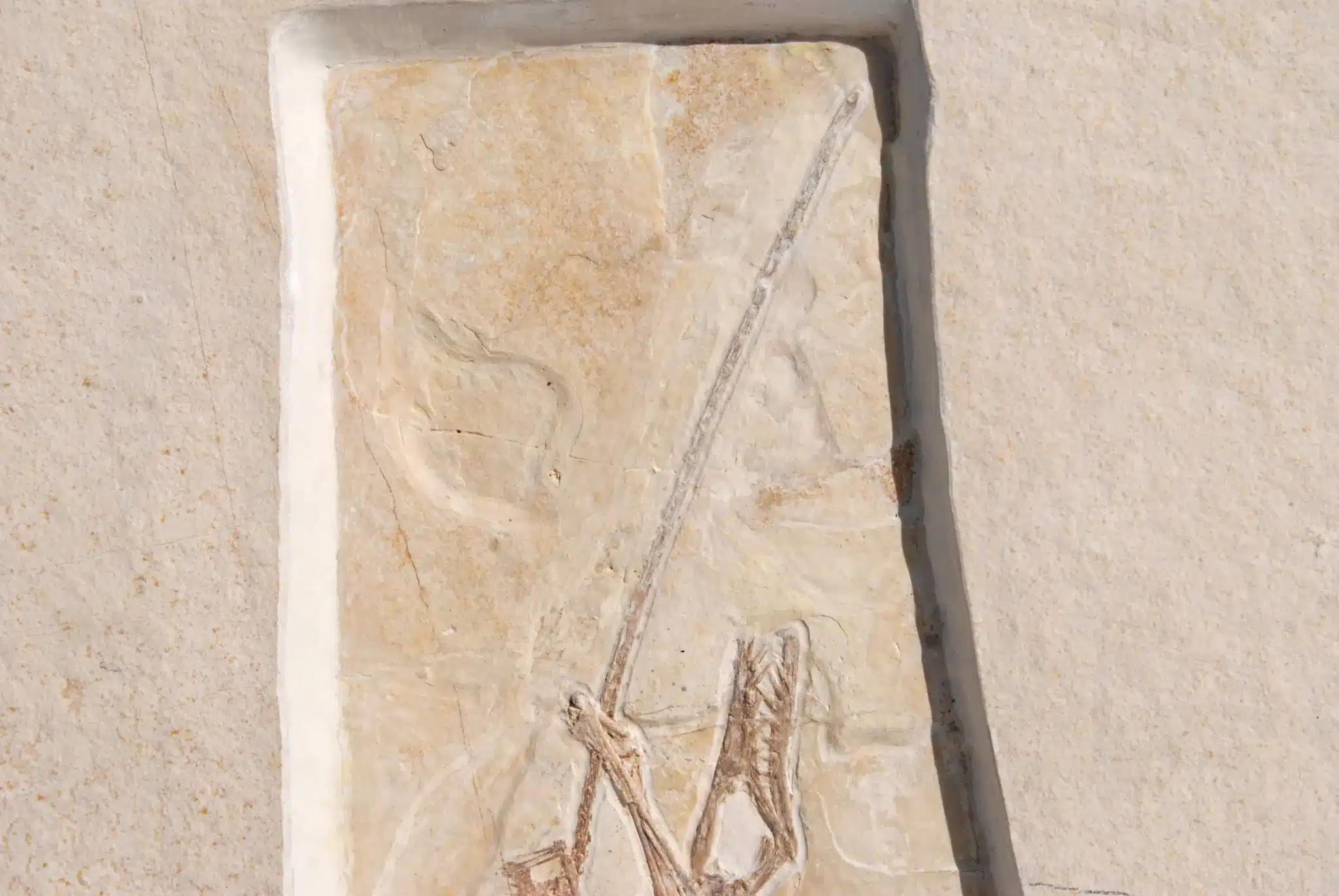
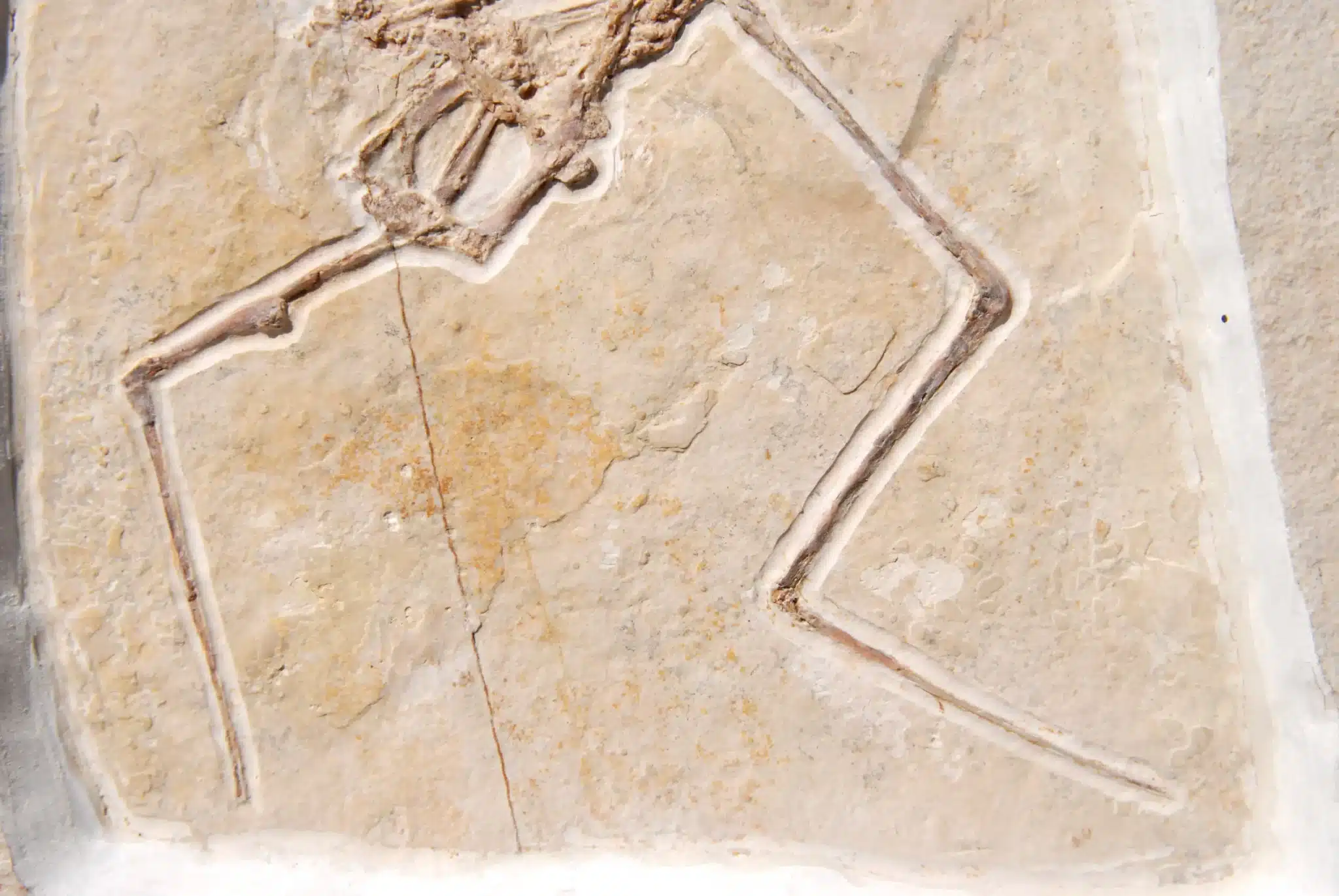
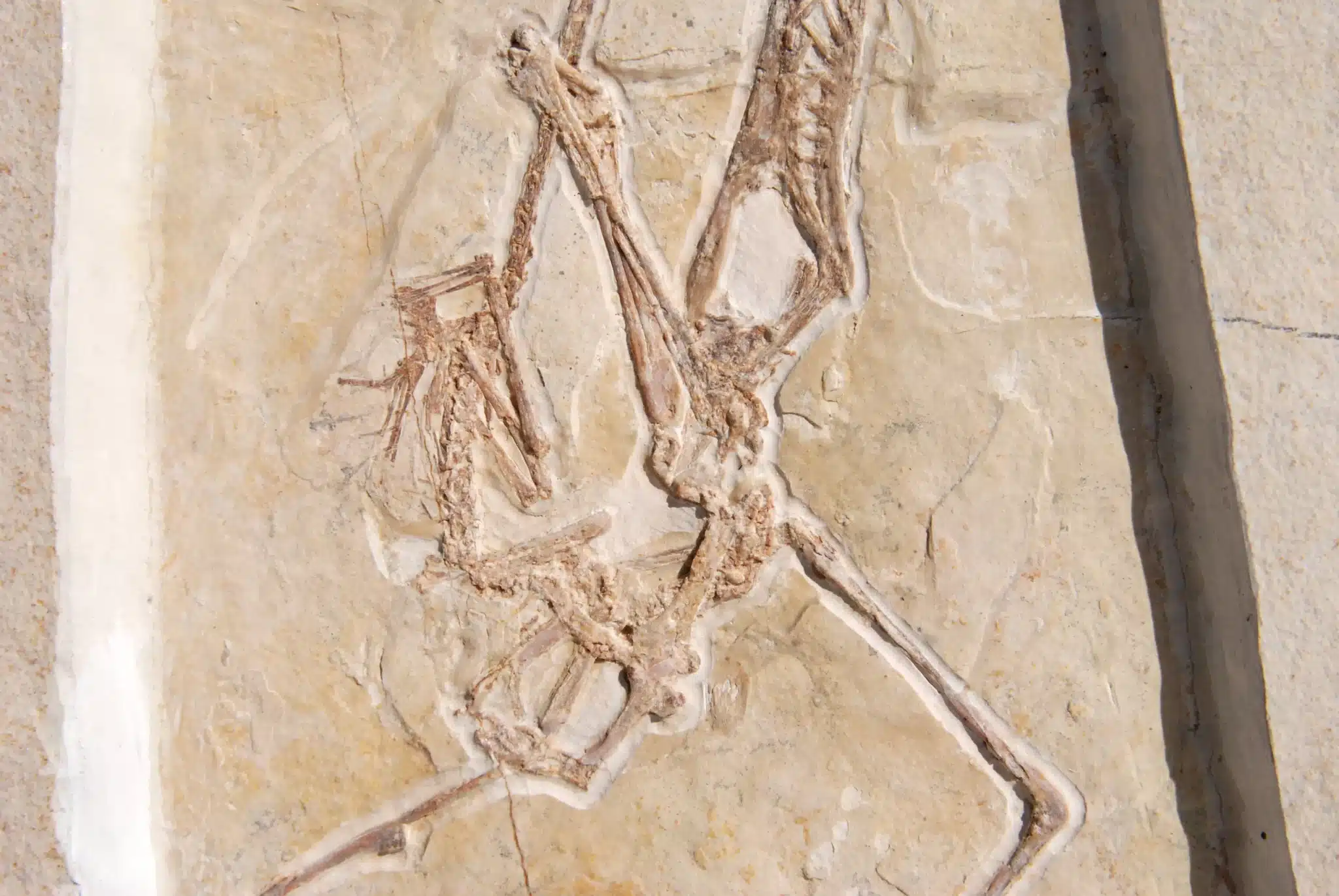
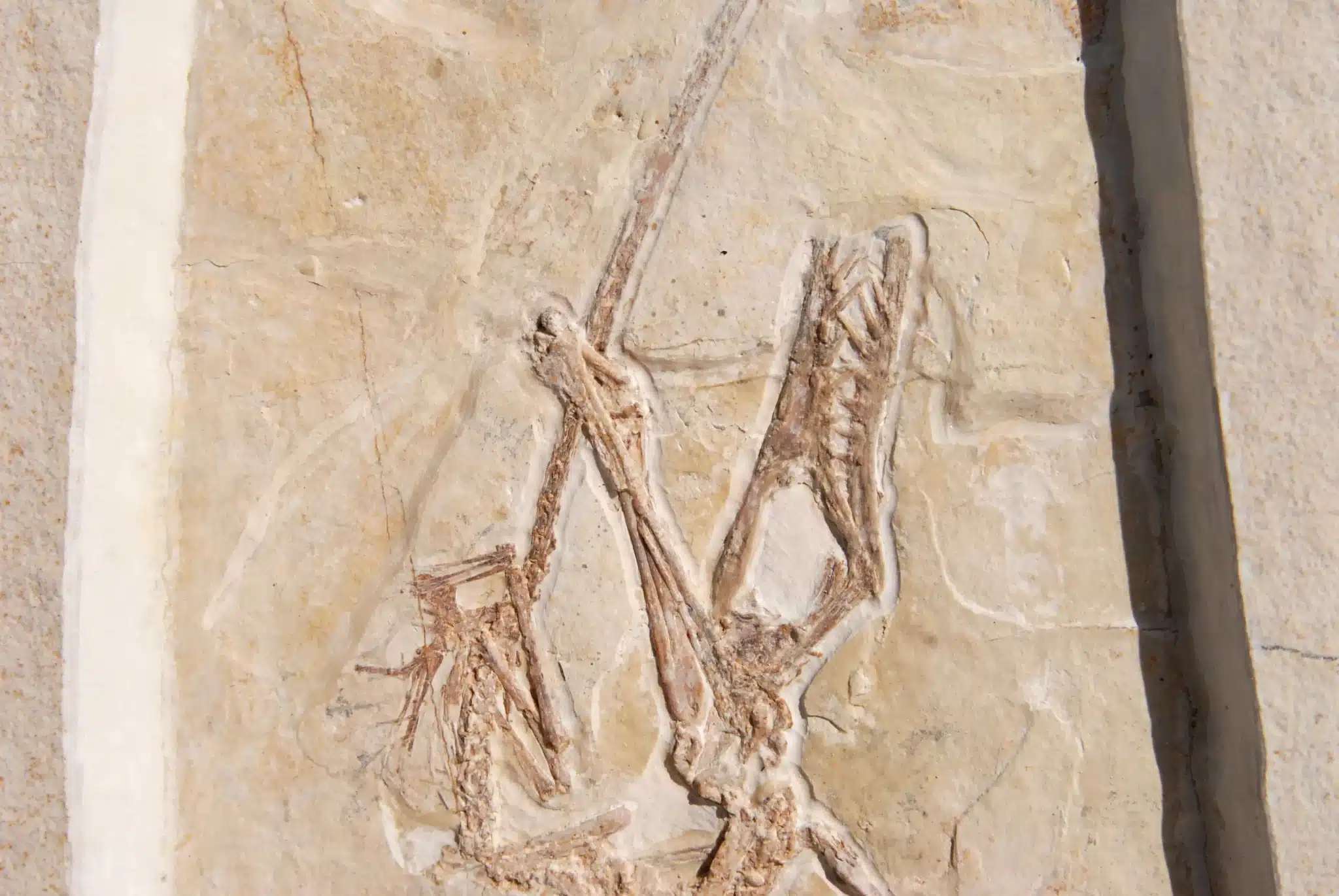
Rhamphorhynchus longicaudus
Location: Langenaltheim, Langenaltheimer Haardt; Solnhofener Revier/ Germany
Lithostratigraphy: Lower Tithonian, White Jurassic Group, Altmühltal Formation, Upper Solnhofen Subformation
Biostratigraphy: Hybonotum Zone, Rueppelianus Subzone, Rueppelianus Horizon
Age: approx. 150.8 – 152 million years +/- 2 million years
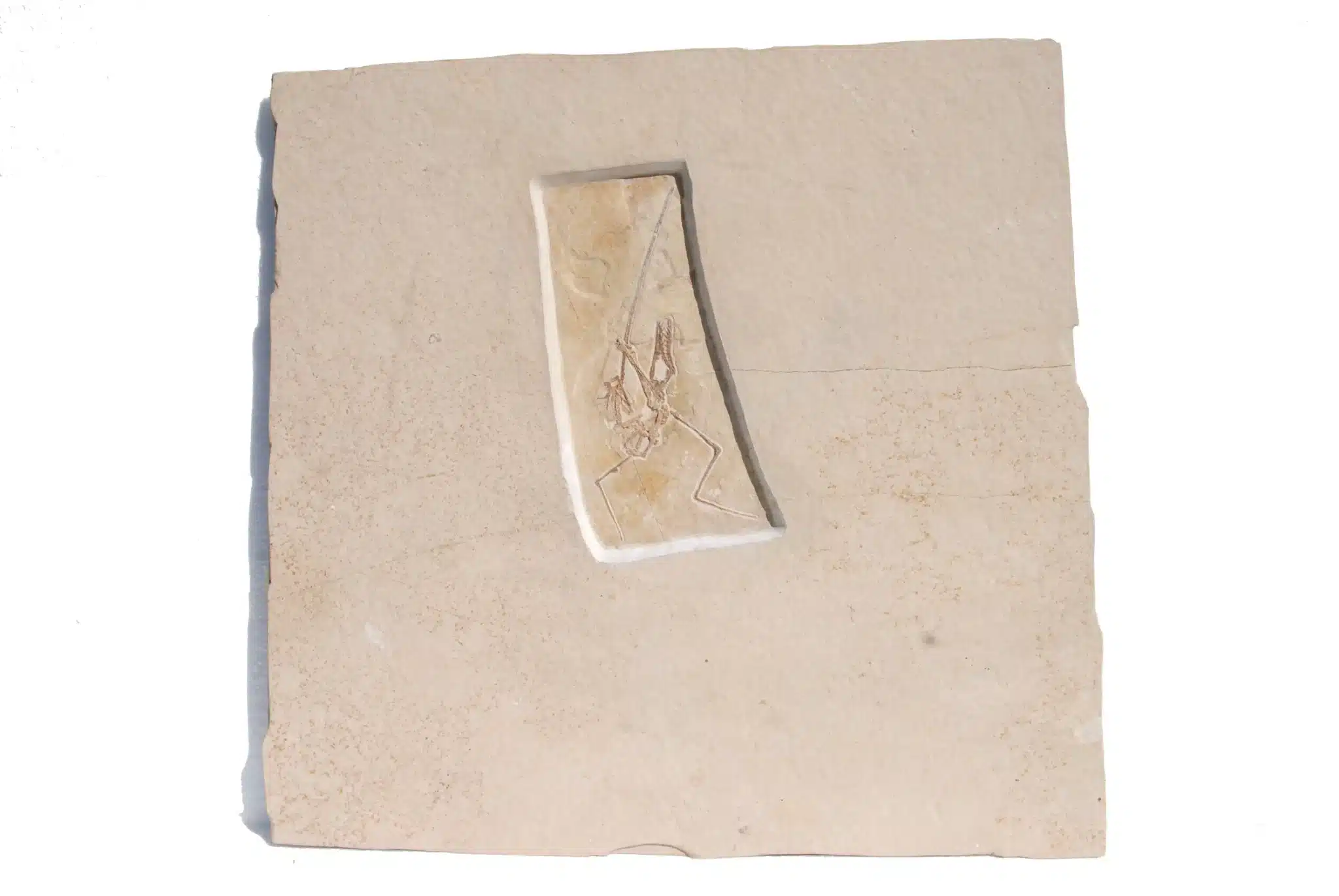
Size of slab: 44 x 44 cm, viewing window: 21 x 10 cm
Size of fossil: 9 x 20 cm (largest size), skull approx. 4.5 cm
Authentic – in original matrix, not re-embedded. No manipulations, no composite. With only minor restorations.
Spectacular pterosaur with proof of provenance. Complete, aesthetic, articulated. The fossils icon from the Upper Jurassic.
Offered on behalf of the customer. Please do not make a payment in the store. Sale in the name and for the account of the owner.
Long-tailed flying dinosaur Rhamphorhynchus – one of the most spectacular finds from the Solnhofen archipelago
Conservation
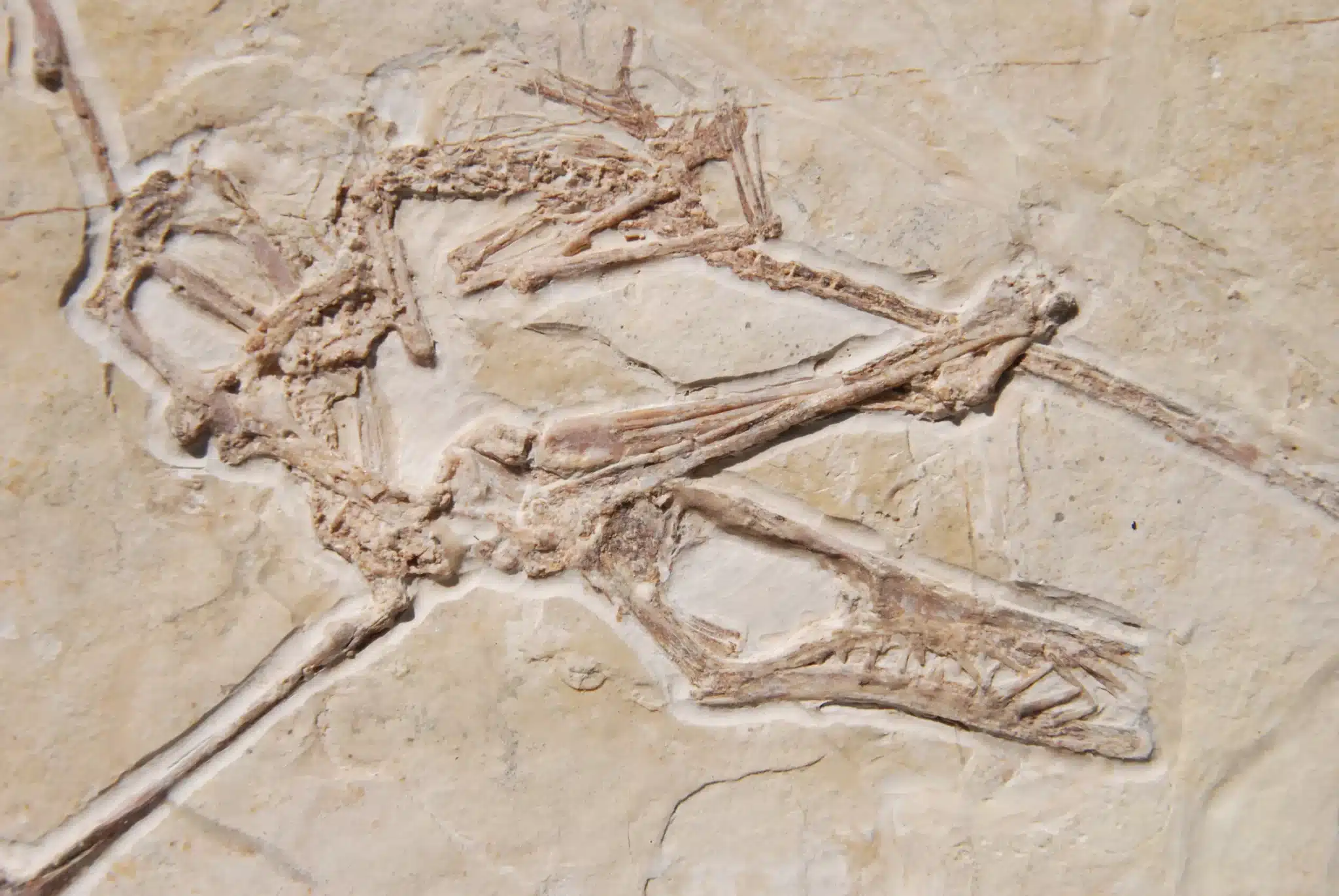
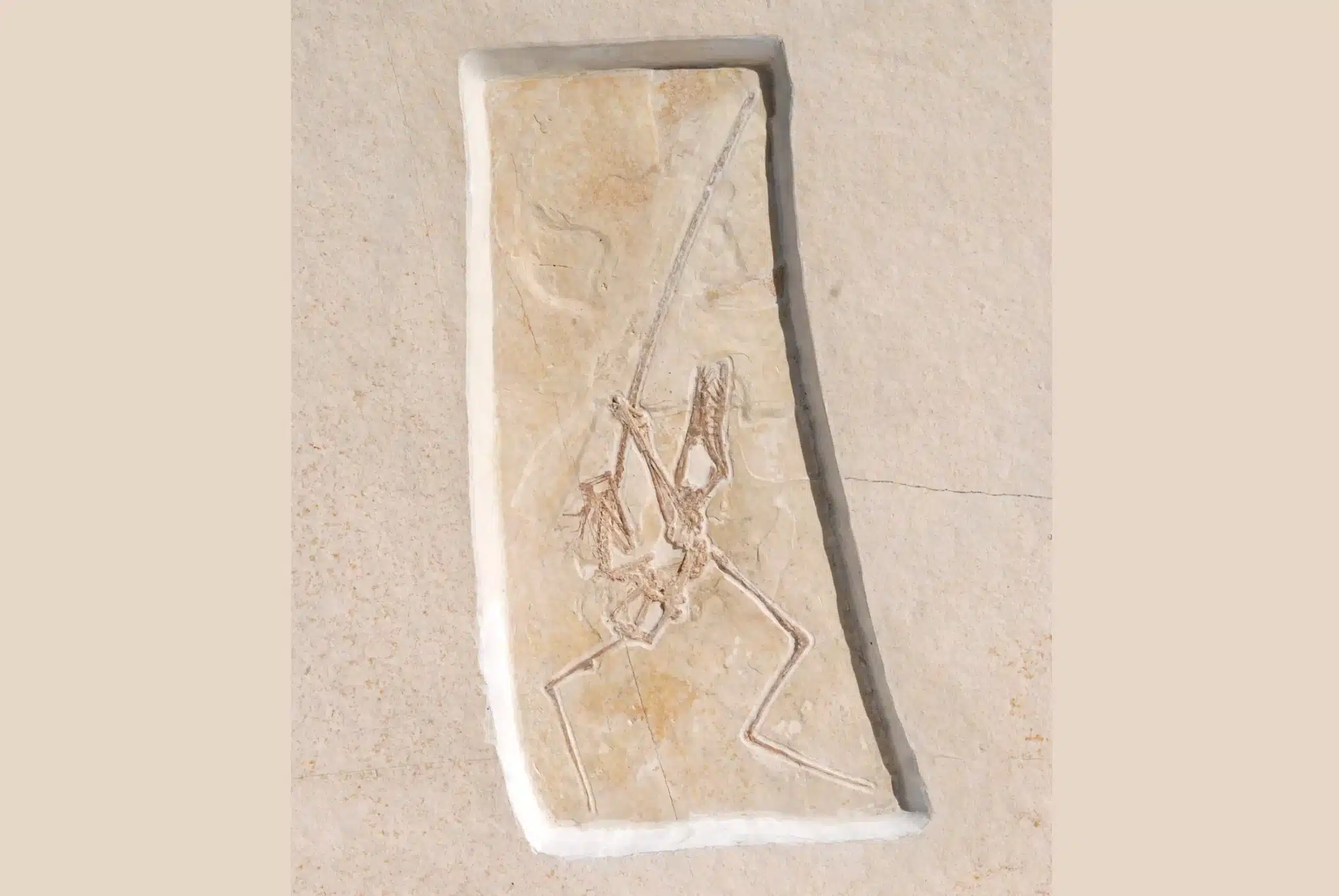
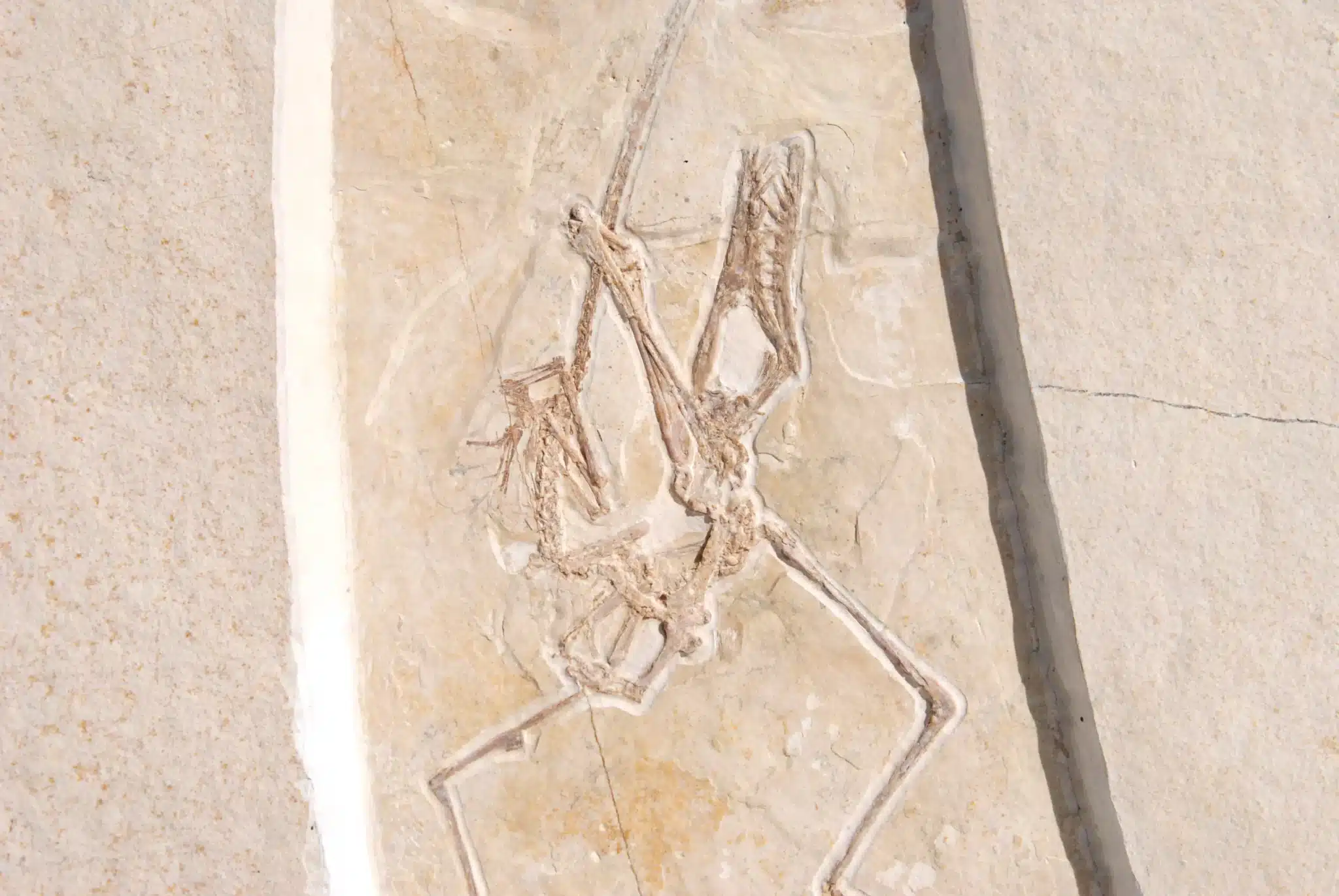
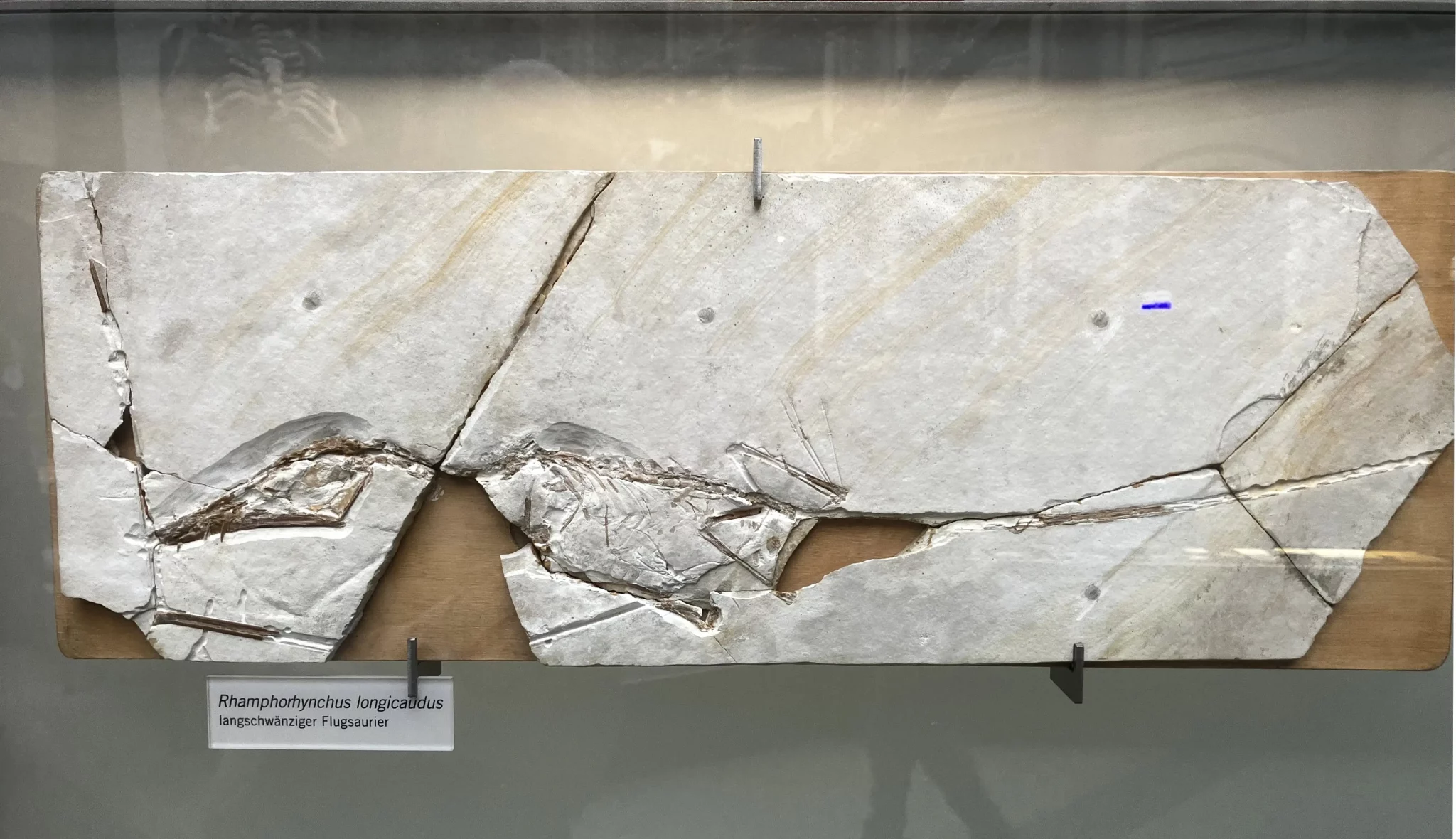
Complete long-tailed flying dinosaur (Rhamphorhynchoidea) of a small-bodied species. Without recognizable dislocation, the bones are in the original compound. The skull is completely preserved, the eye disk (scleral ring) possibly still covered in the original matrix. Half of the 34 long, forward-facing, conical teeth typical of this genus are clearly visible. Partial, with the naked eye not or only with difficulty recognizable, isolated missing parts and restorations on fossil and matrix of only punctual extent.
Salvage
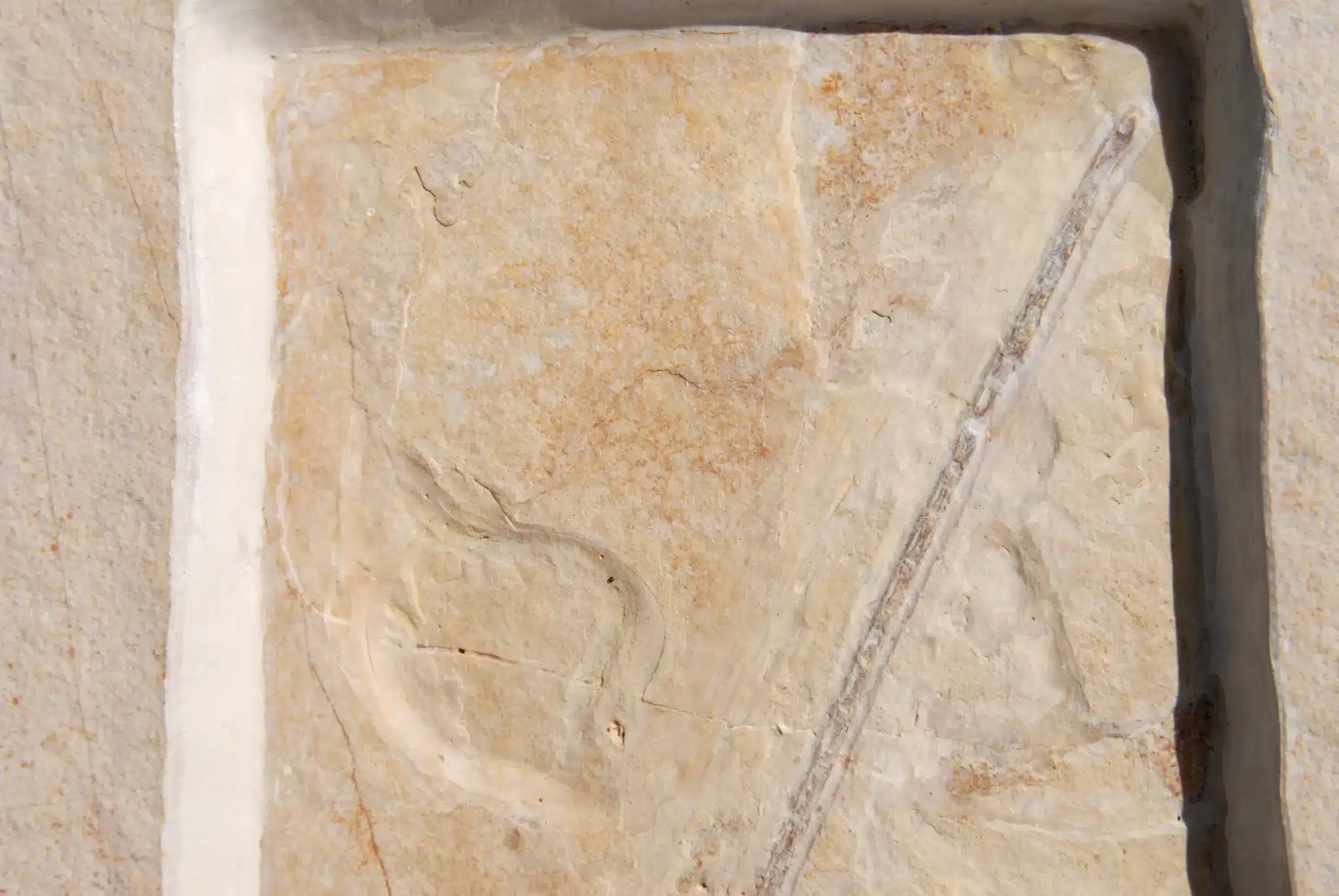
The fossil was recovered in parts. The plate and counter plate were professionally joined together in the workshop to fully expose the bones. A rear part of the slab probably split open during recovery and was later supplemented by a support plate – without affecting the display side (original matrix).
Preparation
The preparation of the delicate fossil was carried out mechanically with great care, probably in the 1980s under a binocular using scrapers, scalpels and needles. A cover plate (44 x 44 cm) shows the fossil to its best advantage in the viewing window (21 x 10 cm).
Rating
This is an original fossil with only minor restorations. A very exclusive object, especially in its natural state, very rarely offered. The few specimens that reach the market are usually composites, specimens composed of several individuals, sometimes of different origin, embedded in a new matrix as a carrier plate for the purpose of prettification. This can be ruled out in the present case. The fossil impresses with its aesthetics, especially the striking skull with dentition. Arranged roughly in the middle of the carrier plate, the delicate fossil is shown to its full advantage. An iconic delicacy!
According to Bennett (1995), R. longicaudus can possibly be regarded as a junior synonym of R. muensteri. The differences that have so far led to the separation of the two species are possibly ontogenetic. The characteristics of longicaudus – such as the proportionally longer snout or the not yet fused skull bones – are typical for juvenile individuals. Regardless of the systematic classification, this fossil is of particular rarity and scientific interest.
Other
This outstanding collector’s item is being offered on behalf of a customer. For decades it was the centerpiece of the private collection of a traditional quarry family in the Solnhofen area. The only pterosaur found in this quarry over the decades. The provenance is clearly documented.
Scientific classification and morphology
The genus Rhamphorhynchus is probably the best-known representative of the “long-tailed” pterosaurs from the Solnhofen limestones. As a highly specialized hunter, it dominated the airspace above the Jurassic lagoons and is a prime example of evolutionary adaptation to a piscivorous (fish-eating) lifestyle.
Tooth position and jaw: In first-class exhibits, the characteristic overlapping of the teeth (canine dentition) is clearly recognizable. The preservation of the fragile enamel structures on the light-colored limestone is an important quality feature.
Skeletal articulation: Since pterosaur bones are hollow and extremely light (“pneumatized”), complete skeletons in anatomical assemblages are very rare. Collectors pay particular attention to the presence of the fine finger bones and the breastbone (sternum), which served as an attachment point for the powerful flight muscles.
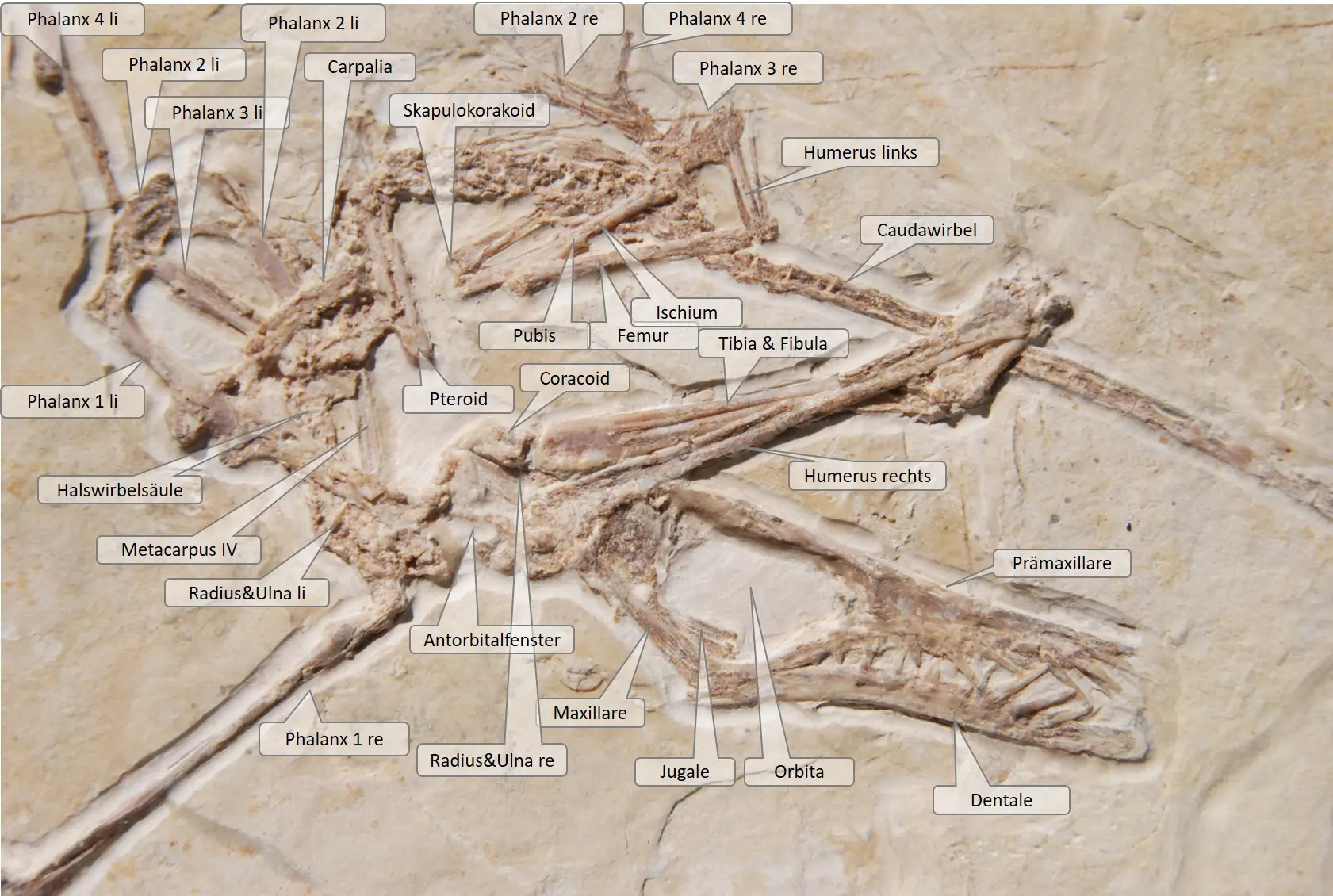
The complete preservation of the skull is particularly remarkable. The jaws clearly show the characteristic proclinical dentition, with the needle-like teeth pointing forward and crossing over each other when closing the mouth. This adaptation is considered an indication of a diet of small fish and cephalopods, which were probably captured in flight from the water surface.
The postcranial skeleton is also exceptionally well articulated. The flight apparatus can be clearly traced: The short, strong humerus, the forearm with radius and ulna as well as the strongly elongated wing finger with its four phalanges are clearly recognizable. Particularly noteworthy is the visibility of the pteroid bone, which played an important role in the tension of the anterior flight skin in pterosaurs.
The fine gastralia (ventral ribs) are preserved below the torso, a detail that only survives under particularly favourable fossilization conditions and underlines the exceptional quality of this preserved deposit.
Skull
The elongated skull with a pointed snout is one of the distinctive features of the species.
Clearly recognizable:
– Premaxilla and dentary with the characteristic canines
– Large orbit (eye socket)
– Antorbital window, an opening in front of the eye to reduce the weight of the skull
The large eye socket indicates very good eyesight, which may also have been adapted to crepuscular or nocturnal lifestyles.
Spine and trunk
The spinal column runs from the occiput through the entire body.
Recognizable are:
– Cervical spine in typical post-mortem “death pose”
– Vertebrae and ribs
– fine gastralia
The pelvis shows the separate elements of the ilium, ischium and pubis, which meet in the area of the acetabulum.
Flying machine
The flying apparatus is one of the most impressive features of this specimen.
Typical elements are
– Humerus – short, strong upper arm bone
– Radius and ulna – form the forearm
– Carpalia – Carpal area
– Metacarpus IV – strongly elongated fourth metacarpal bone
– Flying finger – consisting of four long phalanges
This bone chain carries the flight skin (patagium) and forms the supporting part of the wing. The phalanges lie in the Z-shaped position typical of folded wings.
Tail
The genus takes its name from the extremely long, stiffened tail, which consists of numerous caudal vertebrae and is stabilized by ossified tendons. At the end was a diamond-shaped tail vane, which presumably served as an aerodynamic control organ in flight.
Ontogenetic state
Several characteristics indicate that this is a juvenile individual:
- Low fusion of the epiphyses on the long bones
- Relatively large orbit in relation to the skull
- Comparatively delicate dentition
- Elements not yet fully fused in the wrist area
The estimated wingspan of this specimen is likely to have been around 35-45 cm.
Paleoecology
During the Upper Jurassic, the region around Solnhofen and Eichstätt was a subtropical lagoon landscape with numerous islands and shallow sea basins. The fine-grained carbonate muds of these lagoons led to the world-famous preserved deposits of the Solnhofen limestones, in which even the finest anatomical details have been preserved.
Rhamphorhynchus was probably the “seabird” of this Jurassic period and shared the habitat:
- Pterodactyl (short-tailed flying dinosaur)
- Archaeopteryx (prehistoric bird)
- numerous fish, crustaceans and cephalopods
Its teeth were perfectly adapted to grab prey directly from the surface of the water.
The superlative of every Solnhofen collection
This spectacular fossil combines several features that make it particularly attractive to collectors and those interested in science:
- complete specimen, distinctive skull with clearly visible dentition
- Very good articulation of the postcranial skeleton
- Clearly recognizable flying machine
Alongside Archaeopteryx, pterosaurs are among the most iconic fossils of the Upper Jurassic and are in demand worldwide. Fully preserved pterosaurs are extremely rare. According to Hone & McDavid (2025), 125 specimens of the genus Rhamphorhynchus have been recovered in over 200 years of intensive mining. For comparison: 14 skeletal finds of Archaeopteryx (and >2,500 ichthyosaurs from Holzmaden).
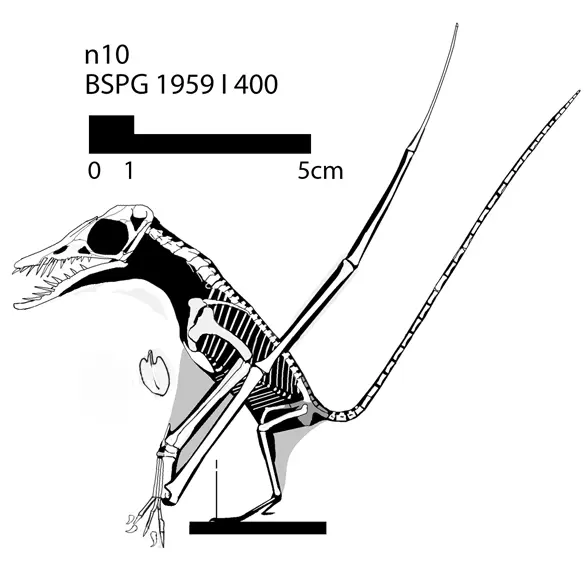
The “Berlin specimen” of Rhamphorhynchus longicaudus from the Humboldt Museum (exhibited directly next to the Archaeopteryx) is shown for comparison.
Acquire a piece of the earth’s history
This fossil is more than just a collector’s item; it is a timeless work of art from nature and a stable investment for those who value complete provenance and uncompromising authenticity.
Viewing & contact:
See the quality of this unique piece for yourself. Viewing is possible at any time by appointment in Tübingen. We will also be presenting the piece at the following trade fairs:
- Fossils Exchange: 11./12.04.2026
- Mineral & Gem, Sainte-Marie-aux-Mines: 22-28.06.2026
Worldwide, secure shipping is possible.
Source references:
https://www.reptileevolution.com/rhamphorhynchus-n10.htm
https://dinodata.de/bibliothek/pdf_h/1847/von_Meyer_1847_Rhamphorhynchus_dd.pdf
https://de.wikipedia.org/wiki/Rhamphorhynchus
http://www.paleofile.com/Pterosaurs/Rhamphorhynchus.asp
https://www.researchgate.net/publication/328388674_First_juvenile_Rhamphorhynchus_recovered_by_phylogenetic_analysis
https://www.cambridge.org/core/journals/journal-of-paleontology/article/abs/statistical-study-of-rhamphorhynchus-from-the-solnhofen-limestone-of-germany-yearclasses-of-a-single-large-species/AA8B5E9941FEDEEAAD5DDA4DA2F54778
https://storage.googleapis.com/mcdavid-papers/Hone%20McDavid%202025%20Rhamphorhynchus.pdf