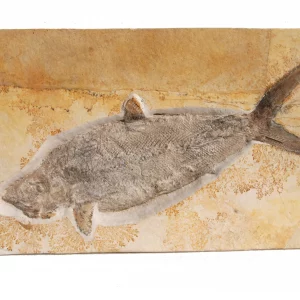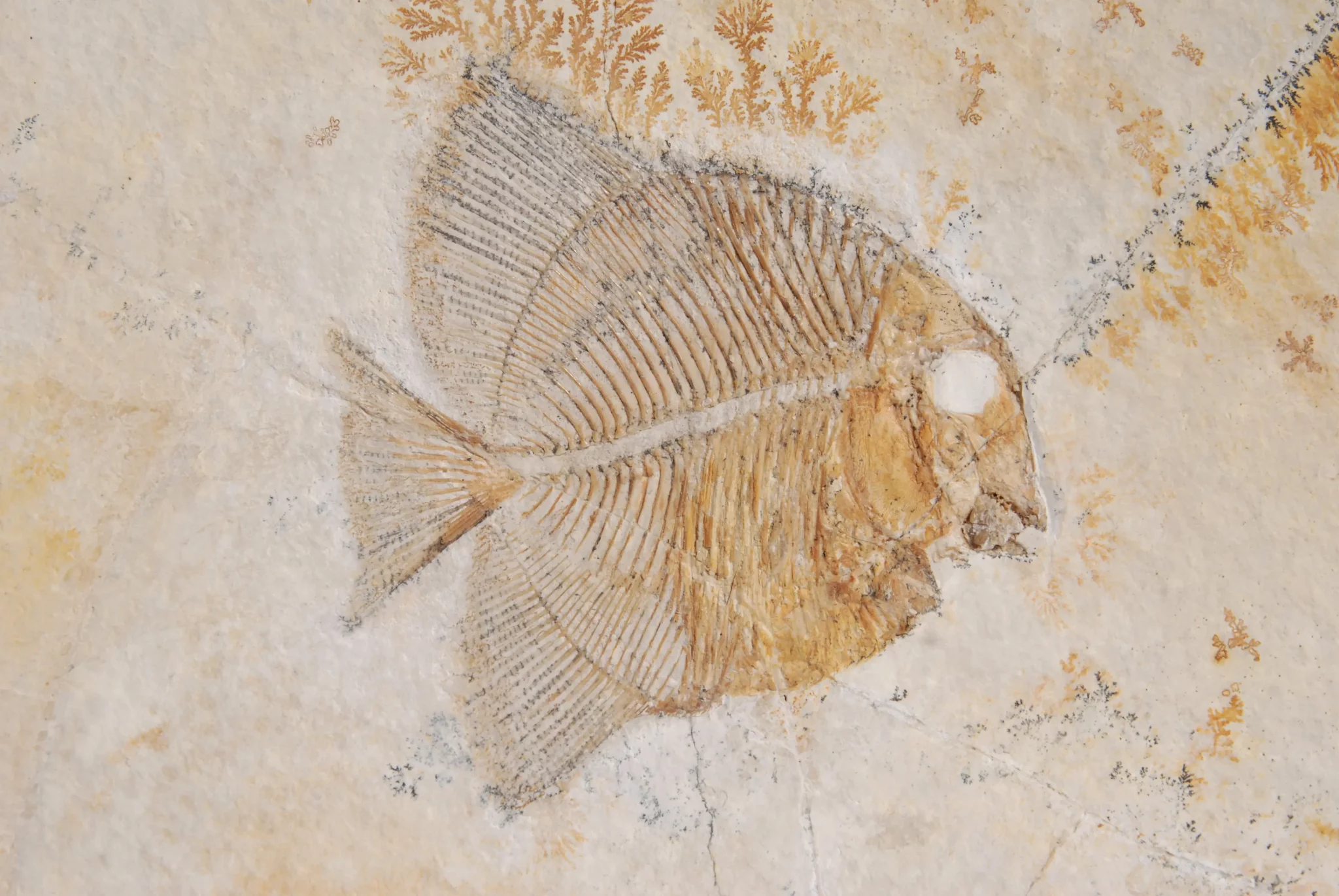
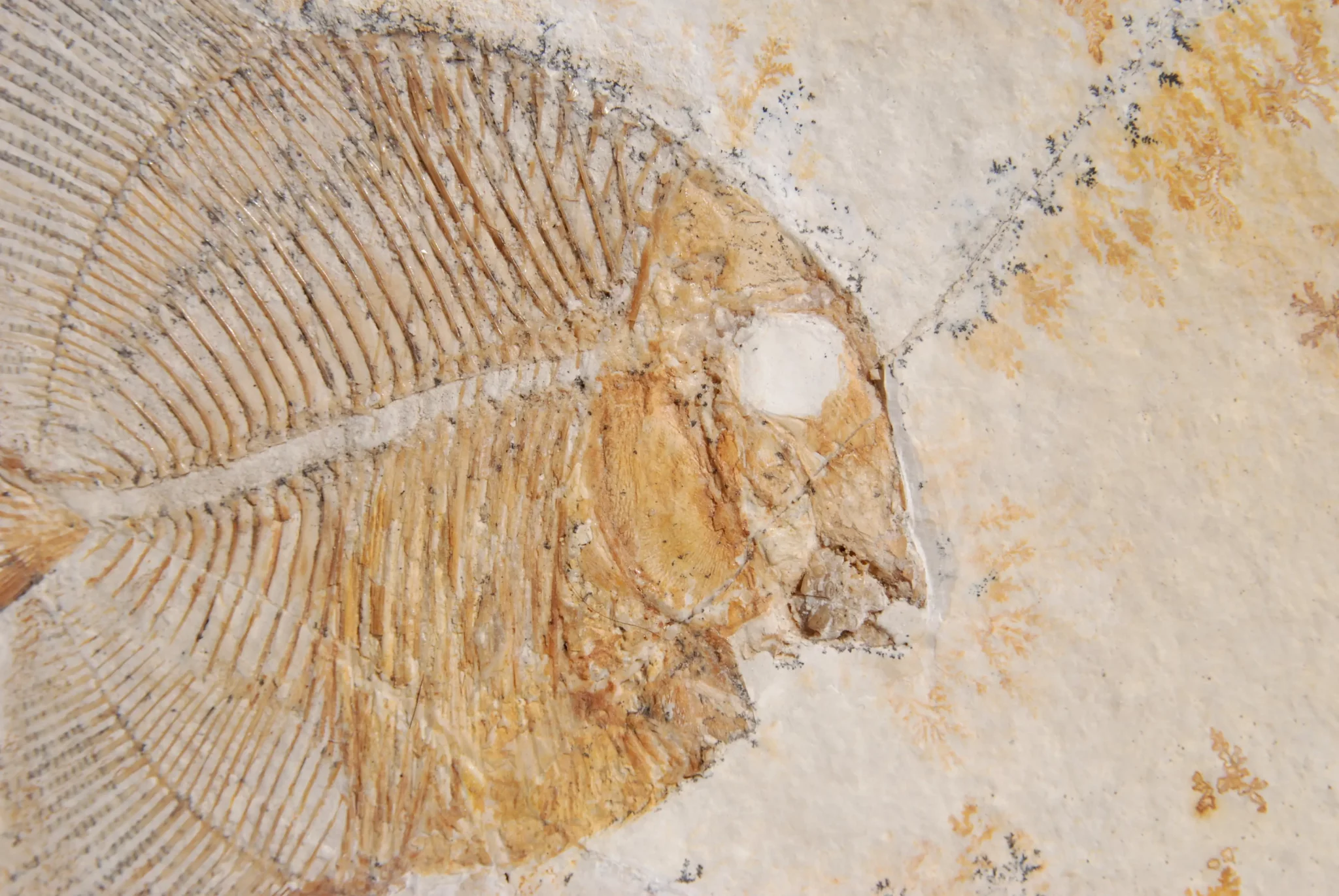
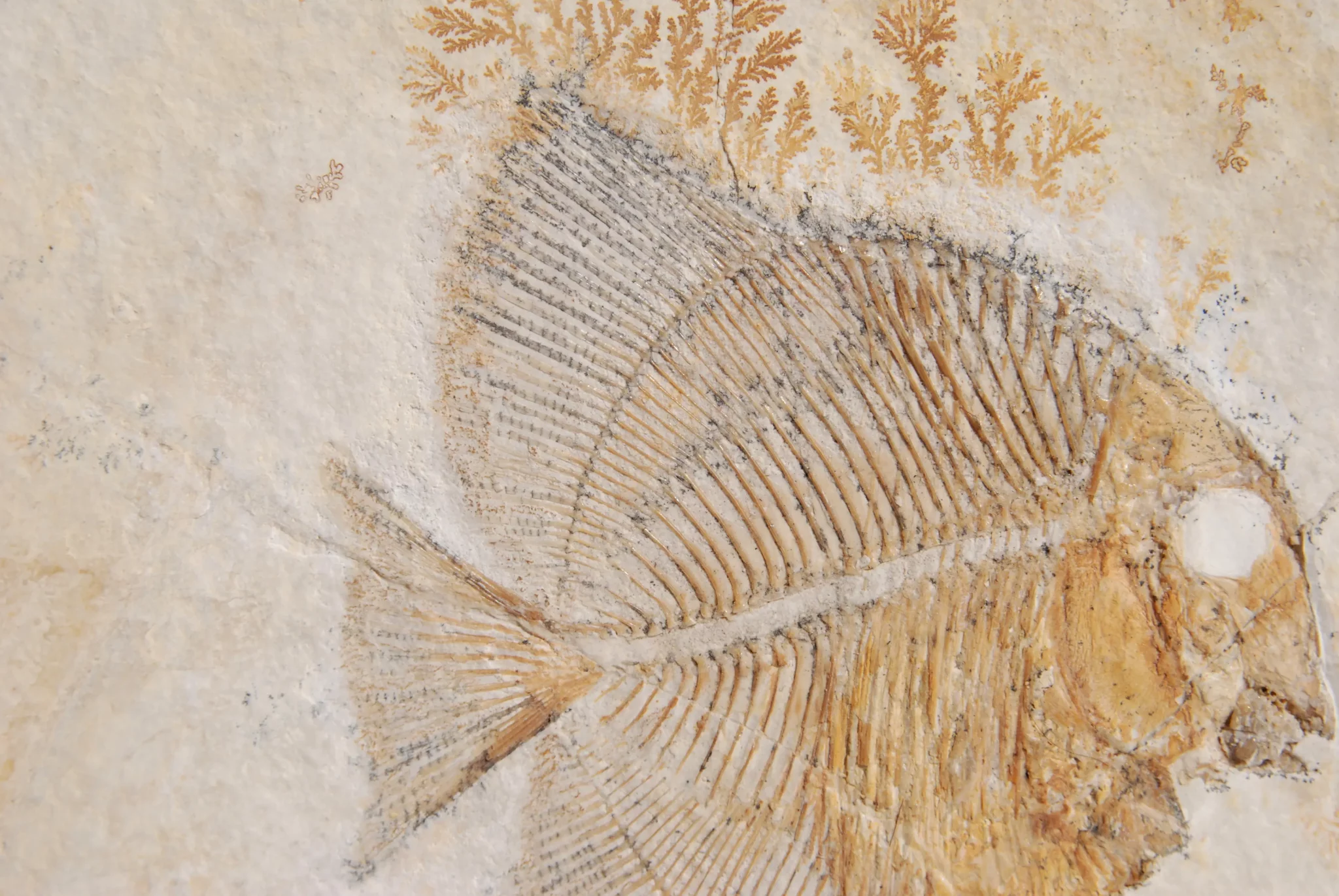
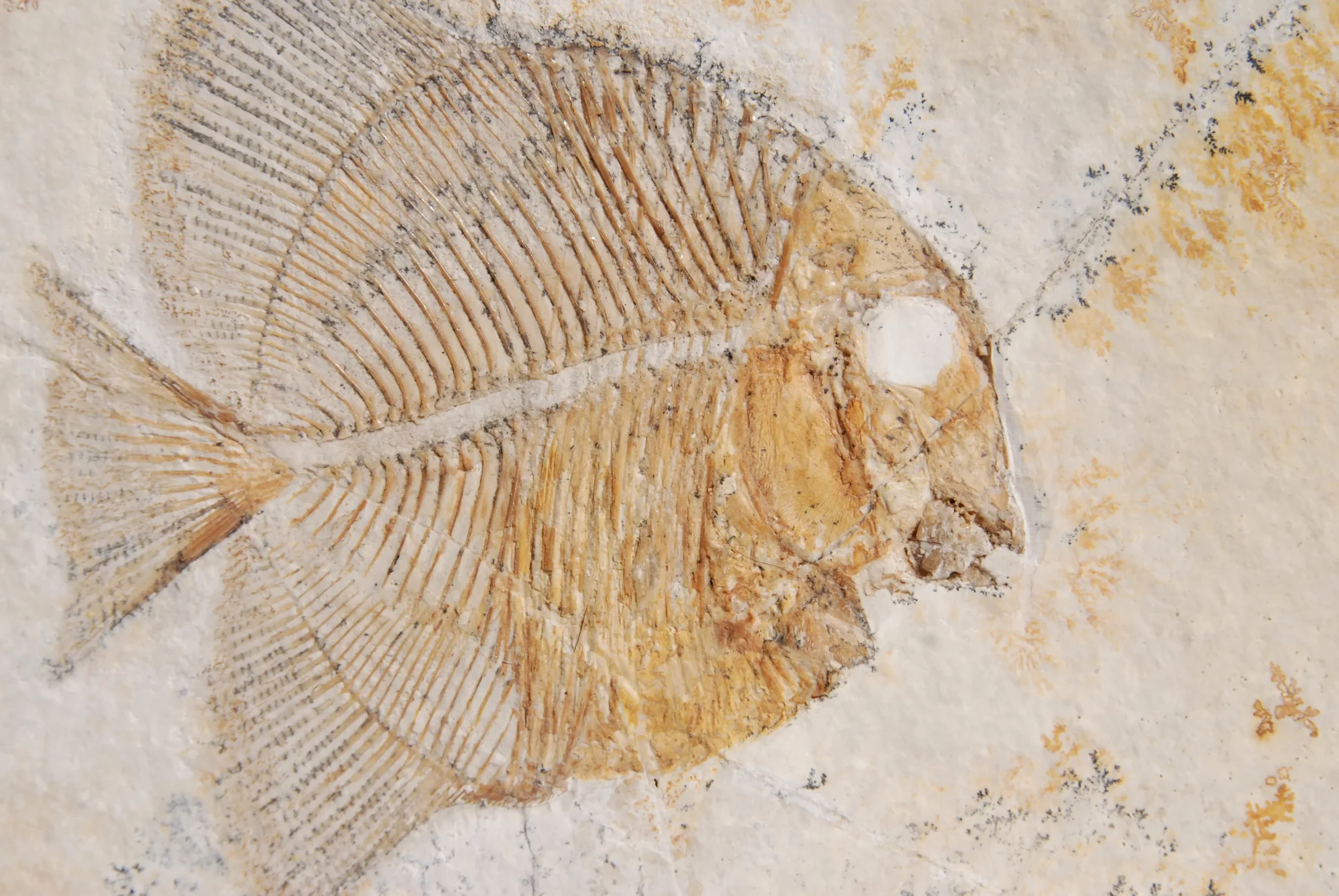
Solnhofen Gyronchus macropterus (synonym Turbomesodon elegans)
Place of discovery: Langenaltheim, Langenaltheimer Haardt; Solnhofener Revier/ Germany
Lithostratigraphy: Lower Tithonian, White Jurassic Group, Altmühltal Formation, Upper Solnhofen Subformation
Biostratigraphy: Hybonotum zone, rueppelianus subzone, rueppelianus horizon
Age: approx. 150.8 – 152 million years +/- 2 million years
Plate size: 26 x 31 cm
Size of fossil: 9.5 cm (largest size)
Very well preserved “pufferfish” – a fossil icon from the Upper Jurassic of Solnhofen.
Authentic – in original matrix, not reburied. With proof of provenance.
Offered on behalf of the customer. Please do not make a payment in the store. Sale in the name and for the account of the owner.
SOLD.
Gyronchus macropterus – The dazzling jewel of the coral reef
This fossil represents one of the most specialized and aesthetically pleasing inhabitants of the Solnhofen Archipelago from the Upper Jurassic (approx. 150 million years ago). As a representative of the extinct Pycnodontiformes (Jurassic pufferfish), Gyronchus stands out with its striking, almost circular body shape and its highly specialized way of life in the light-flooded lagoons.
Scientific classification and morphology
-
- Evolutionary specialization: Gyronchus (often listed as Turbomesodon ) is the prime example of a Mesozoic “reef fish”. Its high-backed, laterally flattened body allowed it enormous maneuverability between coral stalks and sponge reefs – an ecological niche that is now occupied by doctor or butterfly fish.
- The “cracking instinct” in the stone: While predators like Caturus relied on speed, Gyronchus was a precision tool. Its mouth was equipped with characteristic, cobblestone-like grinding teeth to crack hard-shelled prey such as crustaceans or small ammonites. Such details in the teeth of top finds are often still visible today under a magnifying glass.
- Aesthetics of form: With its compact, almost iconic silhouette, Gyronchus clearly stands out from the mass of elongated fish fossils. Its harmonious proportions make it one of the most decorative fossils in the Solnhofen limestones.
The fine details – what collectors look out for:
- The imposing dorsal and anal fins: The trademark of Gyronchus macropterus are the eponymous “large wings” (macropterus). In magnificent specimens, the dorsal and anal fins extend far back like a filigree seam and give the fish its characteristic, almost sail-like appearance.
- The striking head profile: note the steepness of the forehead! A first-class exhibit shows the bony head plates and the large eye sockets in plastic preservation. The depth of the skull in relation to the body is a decisive feature for identification within the pycnodontids.
- The shimmering scales: The scales of pycnodonts are often particularly strong and have a natural, enamel-like sheen. If the vertically arranged rows of scales are without flaws, it is a museum-quality specimen that reveals its full splendor in grazing light.
A highlight for every Solnhofen collection
Gyronchus is the ideal centerpiece for collectors who want to show the biodiversity and colorfulness of the Jurassic lagoon landscape. It represents the specialization in a subtropical ecosystem. A perfect fossil, a delicacy for every Solnhofen collector!