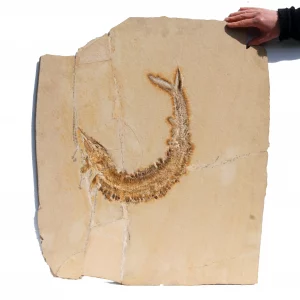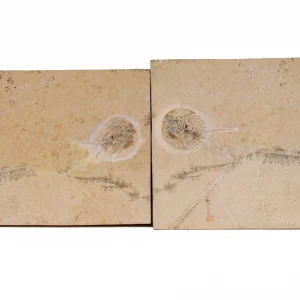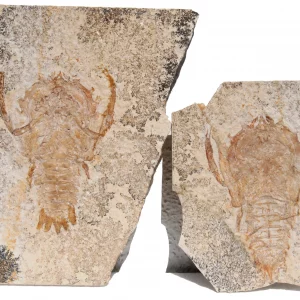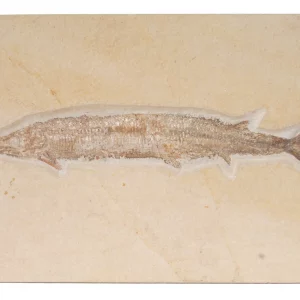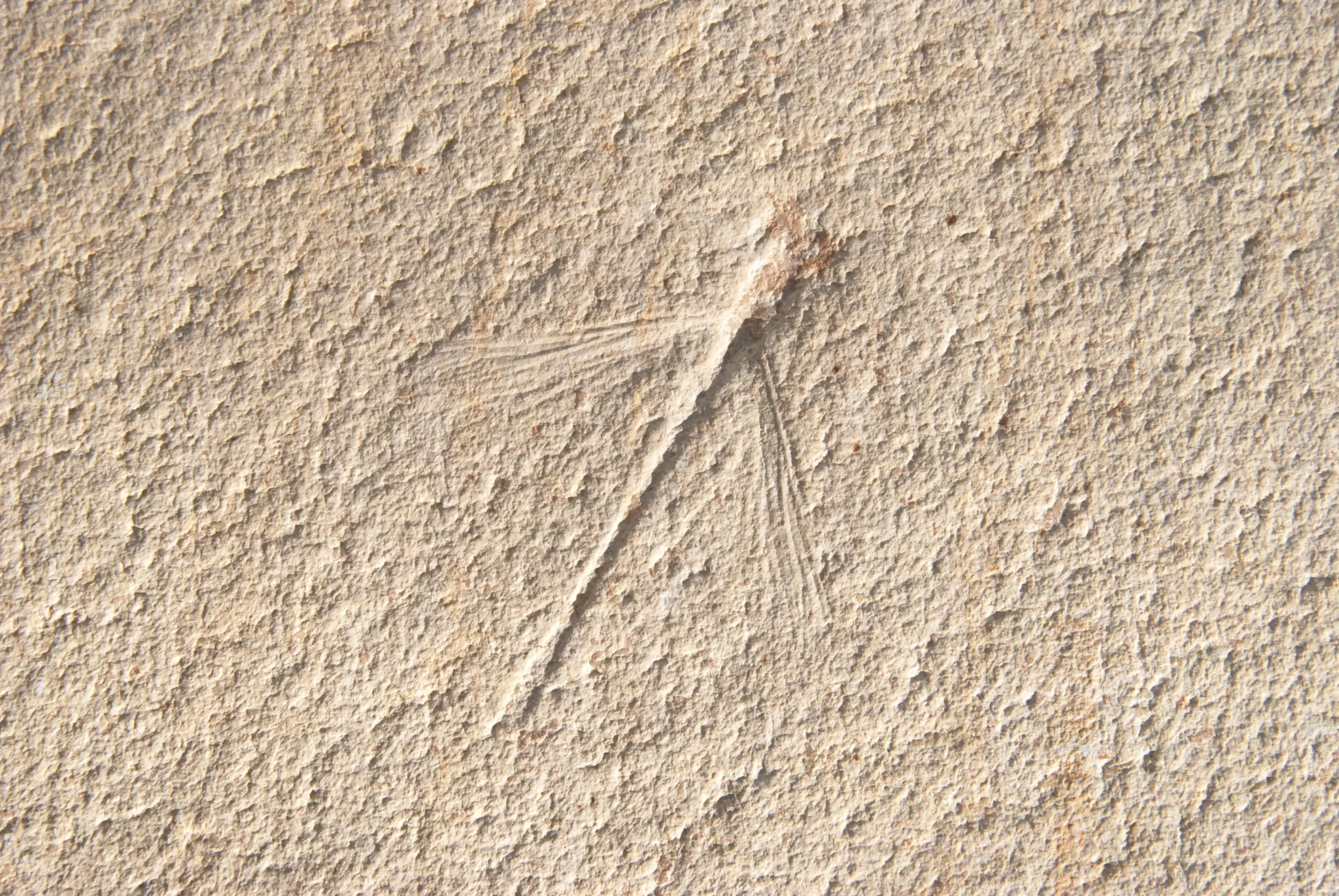
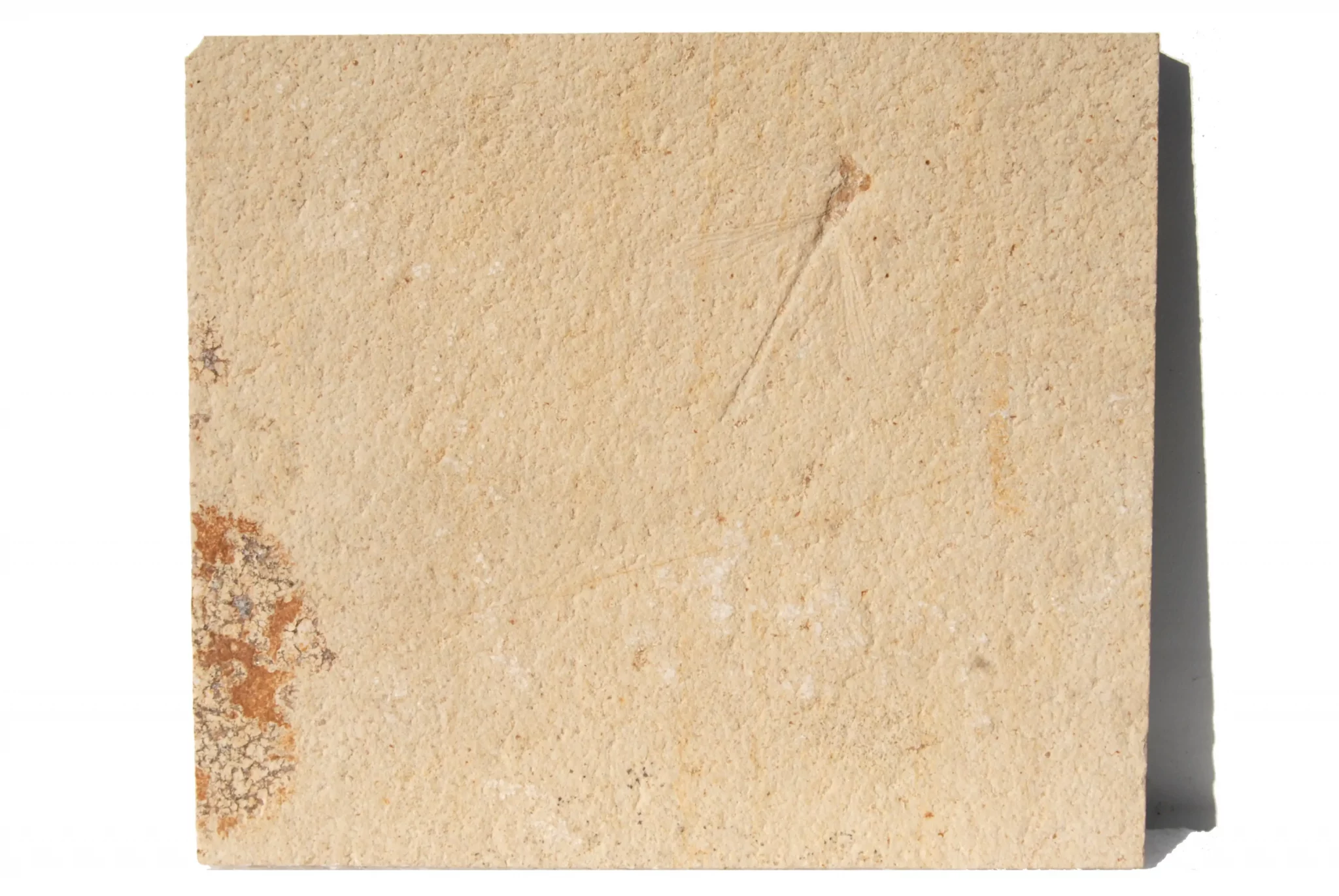
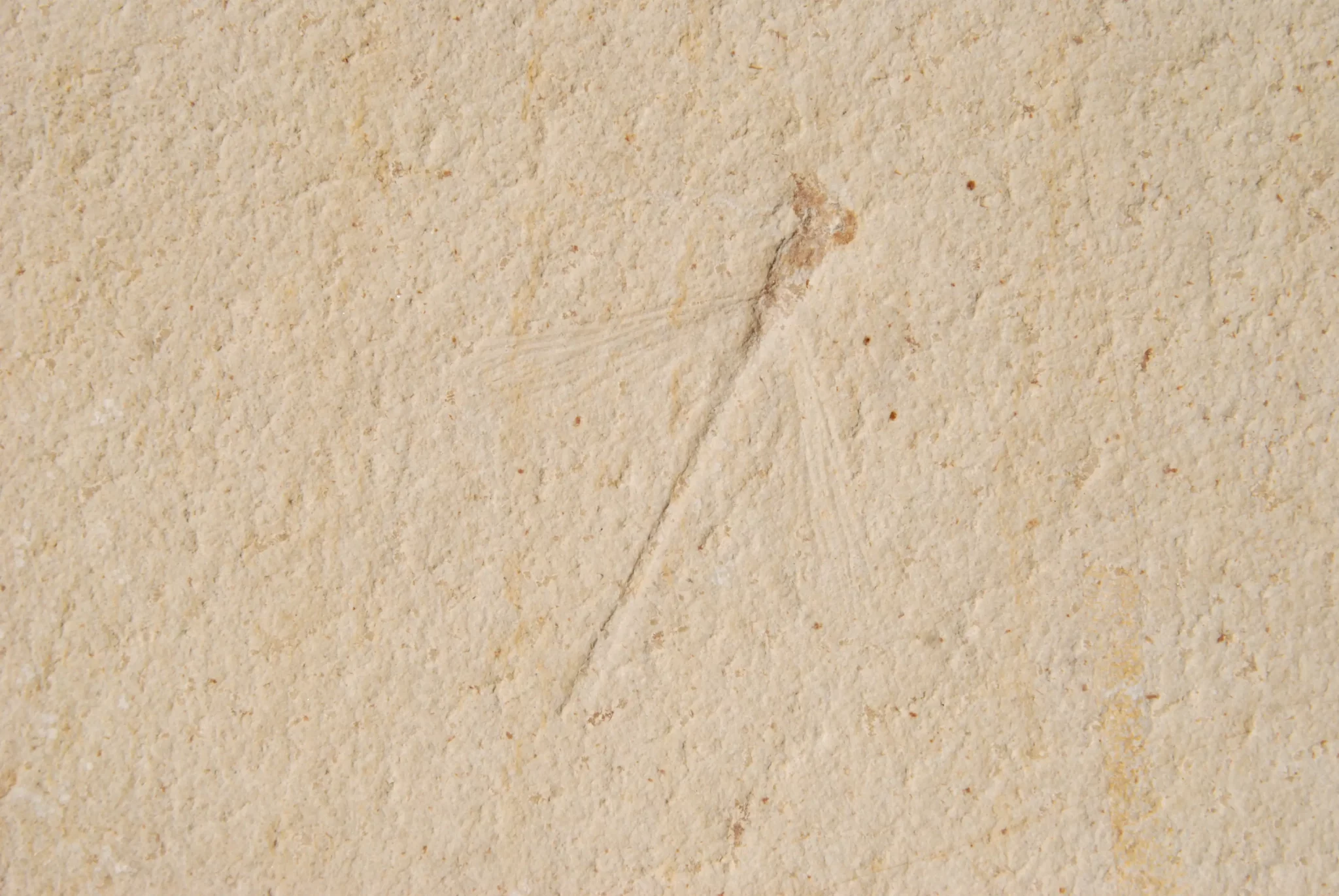
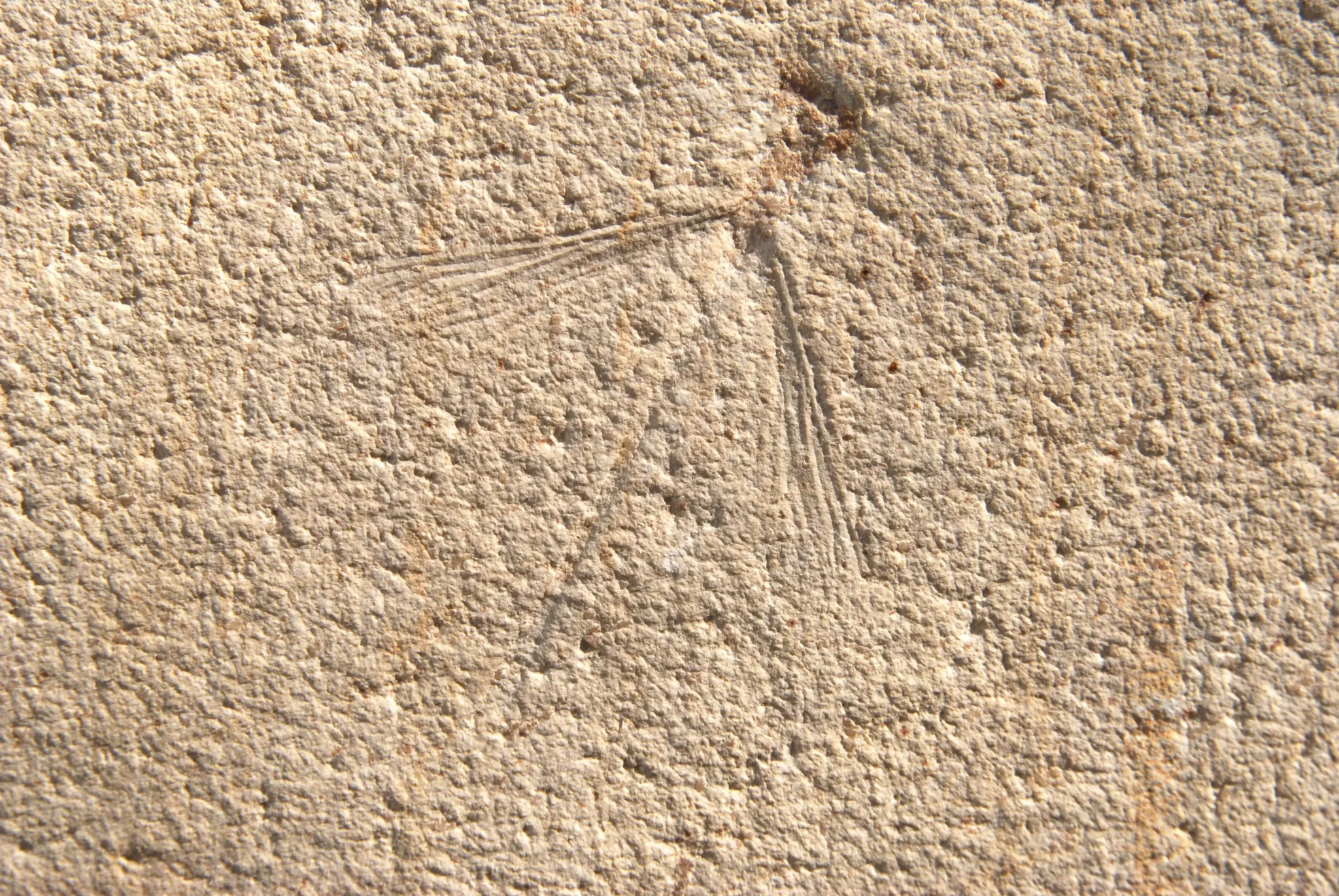
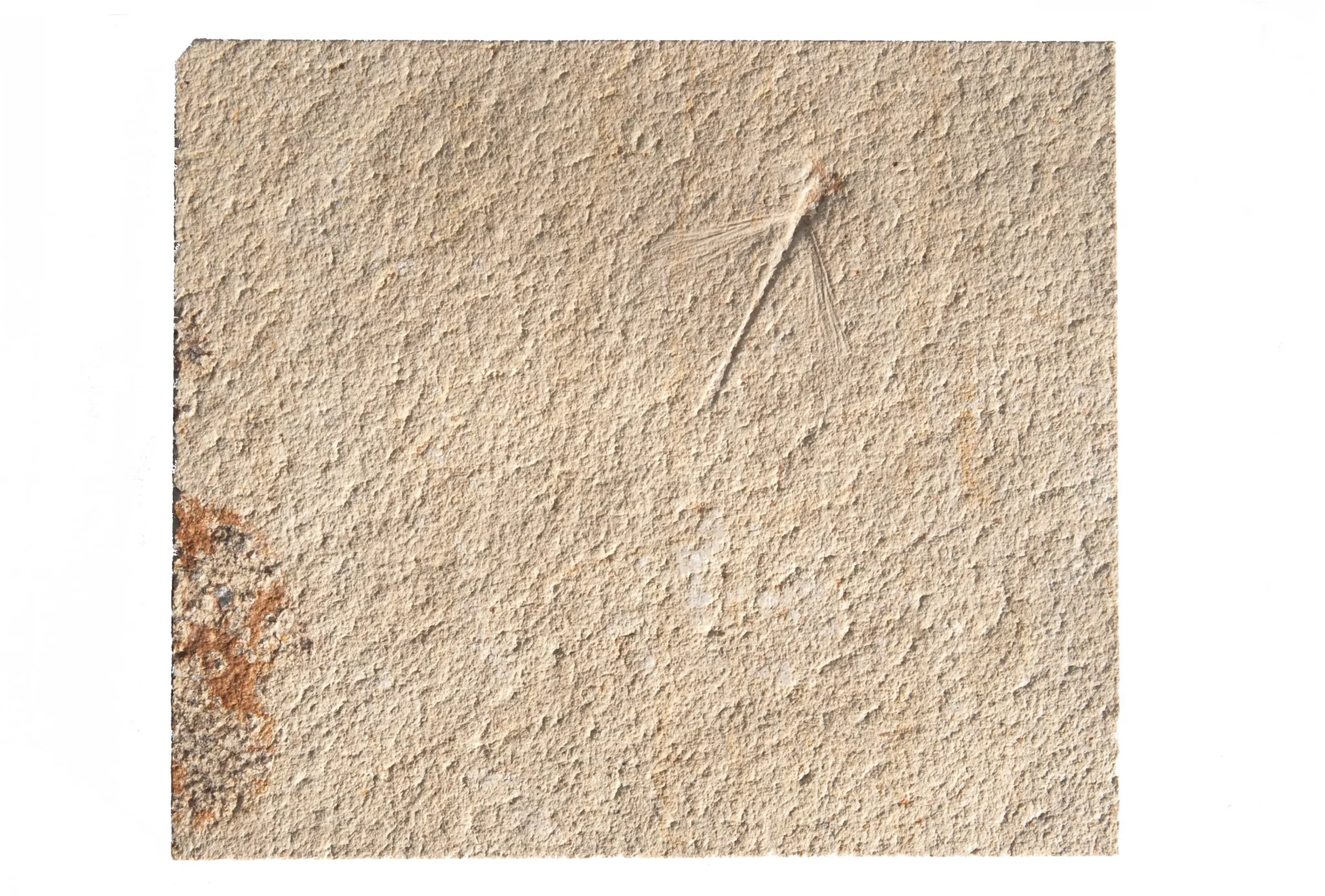
Solnhofen Tarsophlebia sp.
Place of discovery: Langenaltheim, Langenaltheimer Haardt; Solnhofener Revier/ Germany
Lithostratigraphy: Lower Tithonian, White Jurassic Group, Altmühltal Formation, Upper Solnhofen Subformation
Biostratigraphy: Hybonotum zone, rueppelianus subzone, rueppelianus horizon
Age: approx. 150.8 – 152 million years +/- 2 million years
Plate size: 19.5 x 17 cm
Size of fossil: 6 cm (largest size)
Delicate dragonfly – not colored.
Authentic fossil in original matrix, unbroken slab. Negative (“dent”) = underside of the (upper) hanging slab = main slab with predominant fossil substance.
In contrast to an estimated 95% of all copies offered on the market in their natural state, i.e. not colored!
Offered on behalf of the customer. Please do not make a payment in the store. Sale in the name and for the account of the owner. Contact: info@fossiland.com
Dragonflies – The insect icons from Solnhofen
Dragonflies (Odonata) are among the most spectacular and sought-after fossils from the world-famous Solnhofen limestones (Upper Jurassic, approx. 150 million years old). As “gems of palaeo-entomology”, they embody an anatomical perfection that has hardly changed over millions of years.
Scientific classification and morphology
- Living fossils: Dragonflies were already highly specialized predatory insects in the Jurassic period. Their ability to move their heads and wings independently of each other made them the most successful hunters of the air.
- Phenomenal preservation: The extremely fine-grained calcareous mud of the Bavarian lagoons allowed a preservation that is unparalleled worldwide. The complex wing veining – the “fingerprint system” of dragonfly identification – is often preserved down to the smallest cell.
- A rare stroke of luck: as dragonflies are land dwellers, they had to sink to the toxic soil layers of the lagoons due to storms or exhaustion in order to be embedded there without decomposing. Each dragonfly is therefore a rare “messenger from the mainland”.
The Giants and Graces – Exemplary Genera:
-
- Cymatophlebia: The “classic” among the Solnhofen dragonflies. It impresses with its impressive size and the often perfectly spread pairs of wings.
- Stenophlebia: Known for its characteristically narrow wings and extremely slender abdomen. It looks particularly graceful.
- Urogomphus: A strong representative with often very distinctive wing markings.
- Mesuropetala: A smaller, but scientifically highly interesting form.
- Tharsophlebia: A dainty, primitive dragonfly
The fine details – what collectors look out for:
- The wing vein (venation): The decisive criterion for the value is the completeness of the four wings. If the fine cross veins and the pterostigma (wing mark) are clearly recognizable, it is a museum exhibit.
- Body and compound eyes: A top fossil shows the segmented abdomen and the strong thorax. In exceptional finds, even the curvature of the large compound eyes on the head is vividly preserved.
- Symmetry of the mounting: Collectors prefer pieces where the wings are not on top of each other, but spread out flat on the plate as if in flight or at rest. This “top view” maximizes the aesthetic effect.
A highlight for every Solnhofen collection
A dragonfly from Solnhofen is the highlight of any paleontological insect collection. They tell the story of a time when the ancestors of our modern-day flying artists already ruled the skies. A dragonfly fossil is not only a scientific document, but also a filigree work of art made of stone.
Source link -> here