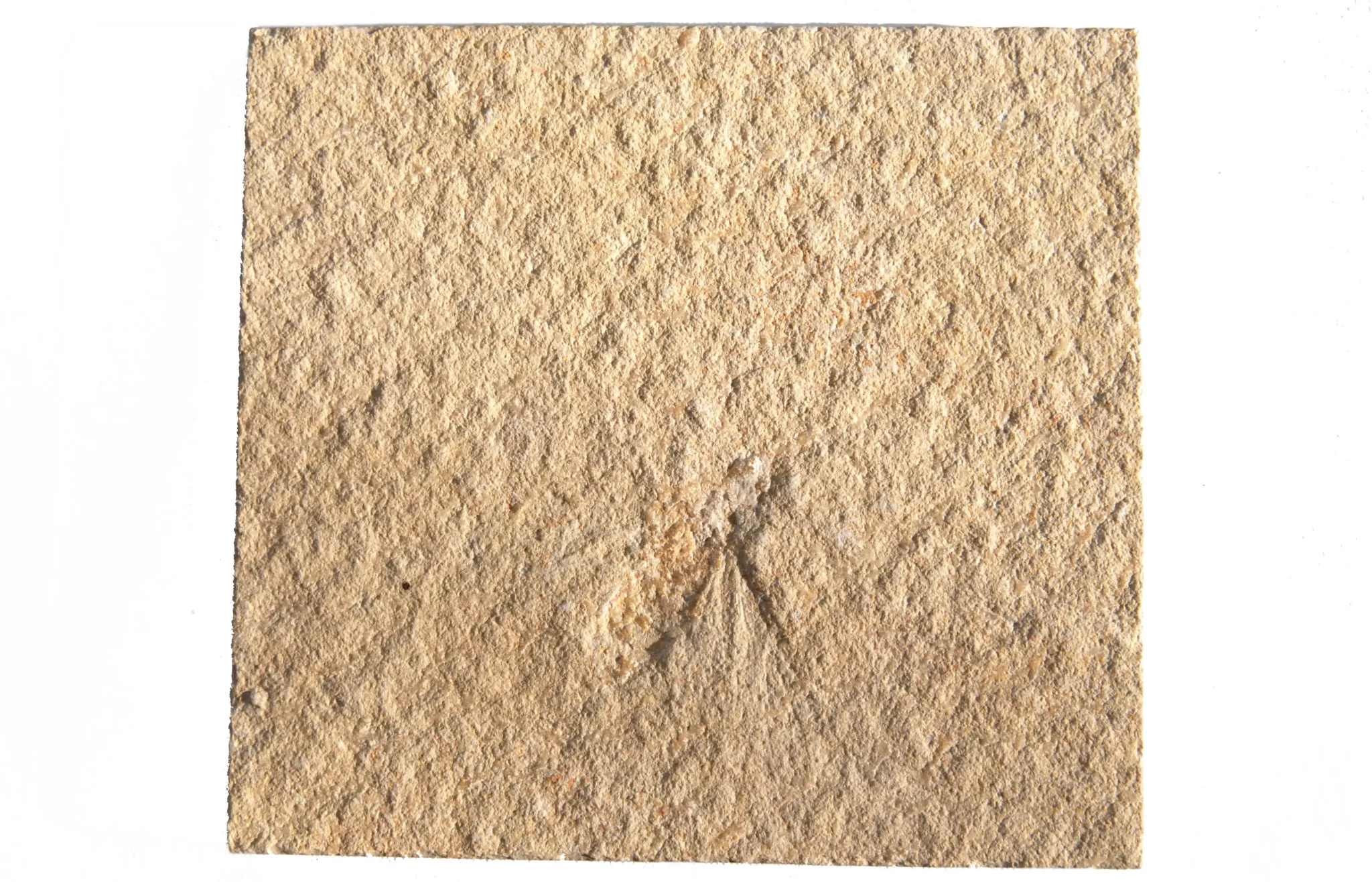
Solnhofen Musca lithographica
Place of discovery: Langenaltheim, Langenaltheimer Haardt; Solnhofener Revier/ Germany
Lithostratigraphy: Lower Tithonian, White Jurassic Group, Altmühltal Formation, Upper Solnhofen Subformation
Biostratigraphy: Hybonotum zone, rueppelianus subzone, rueppelianus horizon
Age: approx. 150.8 – 152 million years +/- 2 million years
Plate size: 10 x 9.5 cm
Size of fossil: 4.5 cm (largest size)
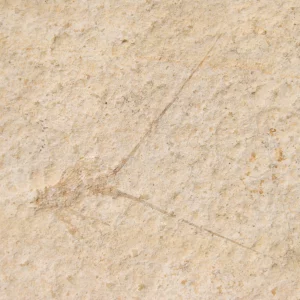
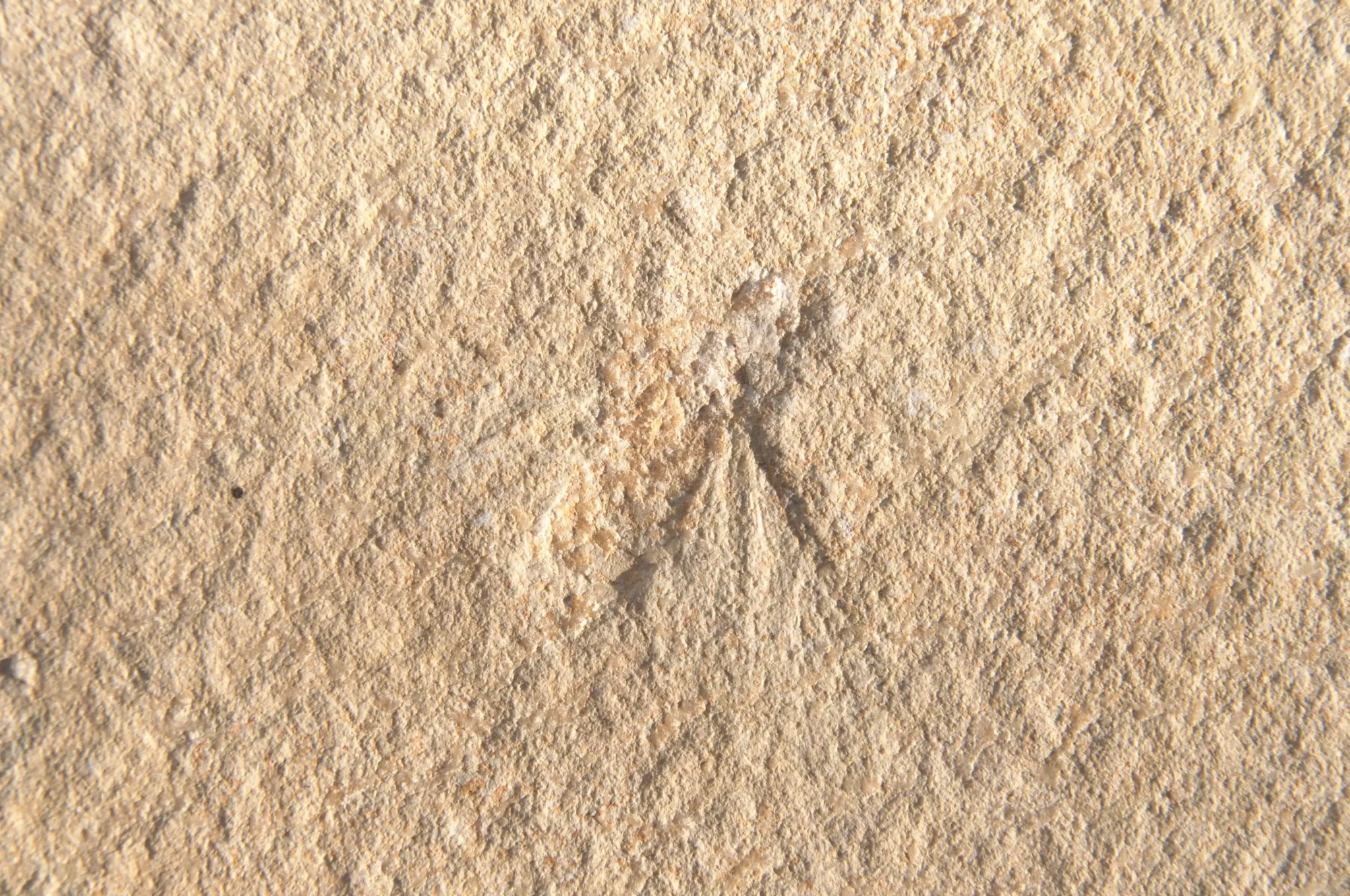
Spectacular “mayfly” – not colored.
Authentic fossil in original matrix, unbroken slab. Negative (“dent”) = underside of the (upper) hanging slab = main slab with predominant fossil substance.
Offered on behalf of the customer. If you have any questions, please contact us at: info@fossiland.com
Musca lithographica – The “window” into the Jura insect world
This fossil is a paleontological icon. Musca lithographica represents the incredible detail of the Solnhofen limestones (approx. 150 million years old). While large dinosaurs often dominate the headlines, this filigree insect shows the microscopic precision with which even the most delicate creatures were preserved for eternity in the fine limestone mud of the Bavarian lagoons.
Scientific classification and morphology
- The illusion of modernity: Although the name “Musca” is reminiscent of today’s housefly, it is a representative of a far more primitive group of insects. These animals colonized the vegetation of the Solnhofen Islands and are valuable indicators of the terrestrial ecosystem of the Upper Jurassic.
- Precision of soft tissue preservation: There is hardly any other type of fossil whose preservation is so spectacular: under the microscope, the veining of the wings, the structure of the legs and even the compound eyes can often be guessed.
- A rare stroke of luck: as insects are land dwellers, they had to reach the water surface of the lagoons by wind or chance. A find of Musca lithographica is therefore always a rare “by-catch” of the Earth’s history, which could only occur under absolutely calm sedimentation conditions.
The fine details – what collectors look out for:
- The veining of the wings: The most valuable feature is the transparency and structure of the wings. A top specimen shows the fine, dark veins (venae), which stand out from the light-colored stone like a filigree net. If both pairs of wings are symmetrically spread out, it is a cabinet specimen.
- Body contours and legs: Pay attention to the legs! In insect fossils, these are often hidden under the body or broken off. If the six legs are visible in their natural structure, this gives the fossil an extraordinary plasticity.
- Natural preservation: Due to the small size (often only a few millimetres to centimetres), minimal preparation is crucial. An “honest” piece shows the insect in its natural embedding, without the fine structures having been damaged by mechanical tools.
A highlight for every Solnhofen collection
Musca lithographica is the ideal exhibit for collectors who have an “eye for detail”. It is a fossil that only reveals its exclusivity on closer inspection. It underlines Solnhofen’s reputation as the world’s most important deposit for the preservation of the finest biological structures.