
Fossil trading is a matter of trust - control is better
The fossil trade has a long history and has always fascinated scientists, collectors and aesthetes alike. The lure of a “lucky find” and quick money still fascinate collectors and fossil dealers today.
Fossil dealer since 1749
Fossil dealers have a long tradition. Duke Carl Eugen von Württemberg was demonstrably the first customer and passionate collector. In 1749, he commissioned the delivery of important fossils to Stuttgart for educational purposes in return for a premium. He subsequently purchased fossils from Holzmaden. Among them was a fragment of an ichthyosaur with an embryo in its body – the oldest dinosaur find in Central Europe.
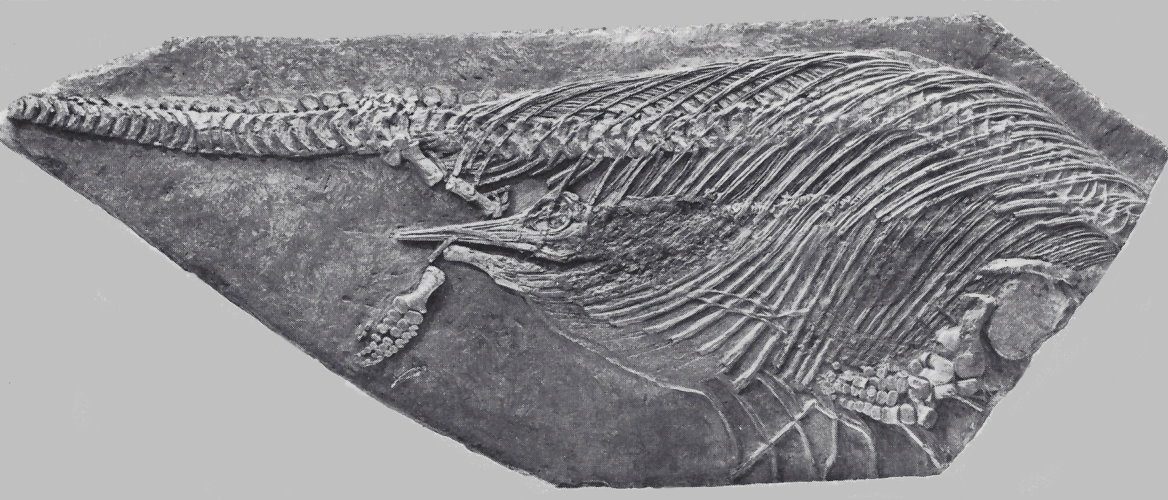
In 1866, the pastor and geologist Oskar Fraas reported a lively fossil trade:
“Up to 100 guilders is paid for a complete animal. The worker makes no move to sell the find, he puts it quietly to one side, knowing that almost from week to week the buyers come, the negotiators of the cabinets and scientific collections. No horse trade is ever concluded with such zeal, with such a display of all eloquence and display of all arts and tricks as the dinosaur trade, and none requires so much cunning in addition to precise knowledge of the pieces in order not to come to harm, since the cat is bought in the bag anyway. Finally, no purchase is made without the buyer having to make a special commitment to organize a funeral service for the fallen hero with various bottles of wine and cider.”
7 characteristics of a fossil dealer you can trust
The fossil dealer is not a skilled profession, no proof of qualification is required, basically anyone can trade in fossils.
Most collectors act as dealers, but vigorously reject this. Trading in fossils is not “dishonorable” per se if certain rules are followed. These include the proper handling of rare specimens and the priority of science over the market. But also transparency and fairness in a tight market where fast money is the lure.
Many dealers were or are accomplished collectors and have expertise in their specialty, often familiar finds. Other dealers have no background as collectors, they simply want to sell – often attracted by spectacular auction proceeds. In the art market, most gallery owners have a profound education in art history. There is no such hurdle in the fossil market.
In the following I will try to give you some criteria to help you choose a fossil dealer you can trust.
Feature #1
Specialist knowledge geologist/paleontologist
Fossils are not mass-produced items, but unique specimens that tell us something about the evolution of life. If fossils are more than just decorative objects for you and you have scientific requirements when buying fossils, you are in good hands with one of the few fossil dealers who are trained geologists or palaeontologists.

Feature #2
Expertise in taxidermy
There is a great temptation to embellish high-priced fossils with restorations. Knowledge from the preparation workshop is often lost at the sales table. Only a seller who prepares fossils himself will be able to give you objective information about the condition of the fossil.

Feature #3
Pyrite case expertise
It is tempting – and has been repeatedly observed – that a fossil from Holzmaden affected by the Pyrite Fall is made pretty for sale, sulphur efflorescence is simply brushed away. Improper restoration is bound to cause trouble, even years later.

Feature #4
Market presence
Some defects, hidden or not, only come to light years later. A “big” fossil dealer does not protect you from this. Some change their legal form every few years, trading under a different company name. Make sure that a fossil company has been on the market for at least 10 years.
Feature #5
Fossil offer
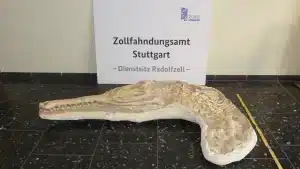
It is very tempting to take part in the big business of illegally imported fossils from China, Mongolia, Madagascar, etc.. In fact, you can find dubious goods at many fossil dealers. Even if you see a legal fossil offered there, decide for yourself whether you want to trust it.
Feature #6
Right of return
Fossils are collected and bought out of passion, rarely as a coolly analyzed investment. What if it turns out that it doesn’t fit into the collection after all or was bought on impulse? Even if you make a purchase outside the Internet, e.g. at a fossil fair, make sure that the dealer grants you a 14-day right of return in the terms and conditions.

Feature #7
Quality promise
A promise is initially only a promise. However, anyone who submits to the Code of Conduct of the Association of Professional Paleontologists(AAPS) must be measured against it. In the event of complaints, membership can be withdrawn.

Further information on the fossil trade
Please feel free to contact me if you have any questions about the fossil trade.