
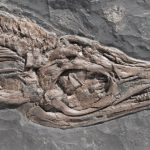
Holzmaden(22)
The Holzmaden fossil site in Baden-Württemberg is one of the world's most important sites of the Lower Jurassic (Lias epsilon, approximately 180 million years old). The Posidonia Shale is particularly known for its spectacular preservation of soft tissues (a highly preserved deposit).
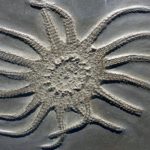
Bundenbach(31)
The Bundenbach fossil site (Rhineland-Palatinate) is the world's most important site from the Lower Devonian period (approximately 400 million years old). The Hunsrück Slate is known for its pyritic fossils preserved in soft tissue.
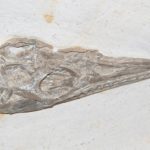
Solnhofen(37)
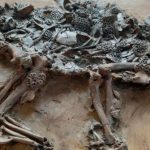
Messel(2)
The Messel Pit near Darmstadt (Hesse) is a globally outstanding fossil site from the Eocene epoch (approximately 48 million years old). It was the first German natural monument to be designated a UNESCO World Heritage Site in 1995. The oil shale found there was formed in a maar lake and exhibits excellent preservation of soft…
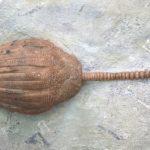
Crinoids(35)
Fossil crinoids are among the most successful animal groups in Earth's history. Widespread since the Ordovician period, they now live as "living fossils" in the deep sea. These echinoderms fascinate with their aesthetic appeal – perhaps the most beautiful fossils of all.
